How Fully Rugged N14A Computers Are Transforming Industrial Operations in Harsh Environments
In the most demanding industrial environments—from sweltering warehouses to vibration-heavy vehicle fleets—standard computing equipment often fails. What’s needed is not just durability, but full ruggedization engineered for reliability under extreme conditions. The rise of purpose-built rugged computers, particularly models like the fully rugged N14A, has redefined operational efficiency across transportation, manufacturing, and energy sectors. These devices are no longer optional accessories; they are mission-critical tools ensuring uptime, data accuracy, and seamless workflow integration where traditional hardware would falter.
Why Standard Tablets Fail in Extreme Warehouse Conditions
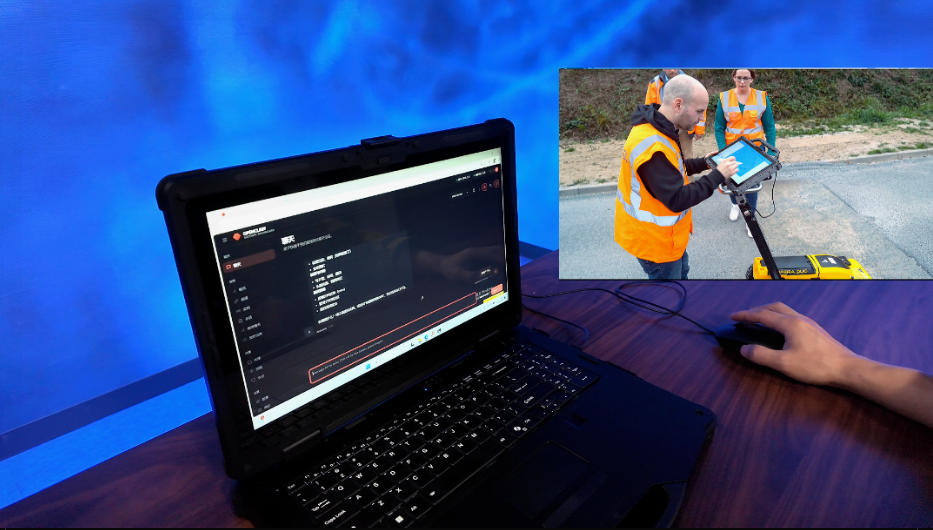
Conventional tablets, even those marketed as "durable," are rarely built to endure prolonged exposure to dust, moisture, or mechanical shock. In warehouse settings where forklifts operate on uneven surfaces and temperatures fluctuate drastically, such devices face rapid degradation. It is under these circumstances that fully rugged systems, compliant with MIL-STD-810G standards and rated IP65/IP67 for ingress protection, demonstrate their superiority. Passive cooling mechanisms, solid-state drives, and reinforced magnesium alloy casings prevent failure due to vibration, drops, or particulate intrusion.
Preventing Downtime with Shock-Resistant Computing Platforms
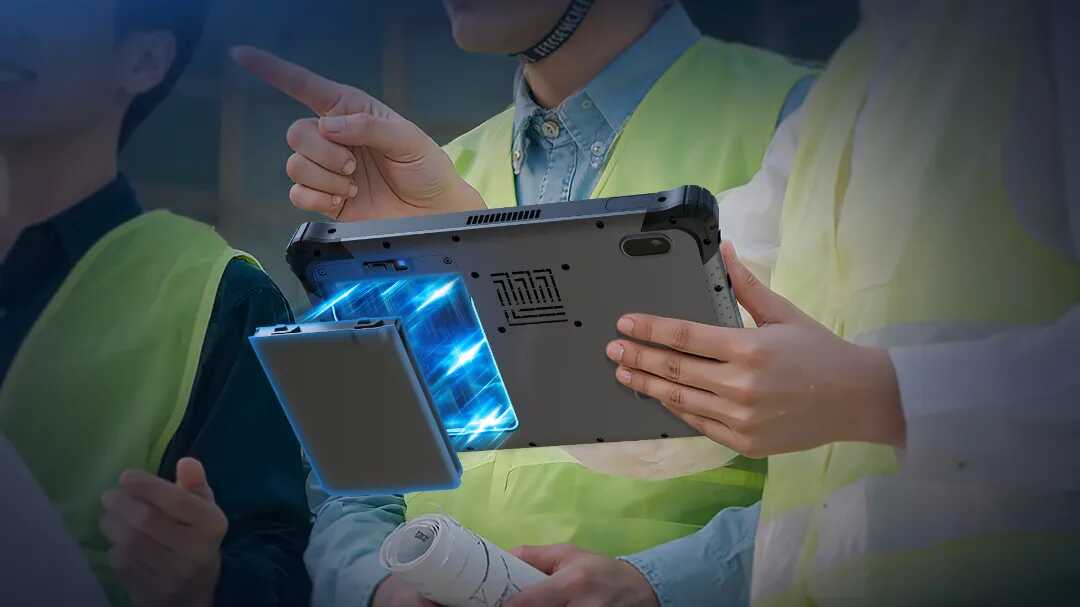
Equipment failure during peak logistics cycles can result in cascading delays. By contrast, ruggedized computers with shock-mounted components and hot-swappable battery designs ensure uninterrupted operation. Notably, the fully rugged N14A model integrates these features while supporting continuous scanning and real-time inventory updates—even when subjected to repeated impacts from loading dock activity.
Optimizing Fleet Management Through Vibration-Tolerant Vehicle PCs
In mobile operations, constant engine vibration and wide thermal variances challenge standard onboard electronics. Vehicle-mounted computers must not only survive but perform reliably over thousands of miles. Deployed across delivery fleets and utility vehicles, rugged vehicle PCs are now engineered with extended temperature ranges (-20°C to 60°C) and ignition-controlled power management to prevent damage during frequent start-stop cycles.
Real-Time Data Synchronization in Transit Using Rugged Tablets
Through embedded 4G/LTE and dual-band Wi-Fi, rugged tablets maintain persistent connectivity, enabling dispatchers to receive live updates on delivery status, route deviations, or maintenance alerts. Such capabilities are instrumental in transportation networks where latency equals lost revenue. Integrated GNSS modules ensure precise geolocation, even in remote areas with limited signal strength.
Scaling Digital Transformation in Manufacturing with Industrial-Grade PCs
On factory floors, human-machine interfaces (HMIs) powered by rugged industrial PCs streamline production monitoring and quality control. Unlike consumer-grade panels, these systems resist electromagnetic interference (EMI), oil splatter, and metal shavings—common hazards in machining environments. Panel touch displays with glove- and wet-touch compatibility allow operators to interact safely without removing protective gear.
Enabling Predictive Maintenance via Rugged Edge Computing Nodes
When paired with IoT sensors, fully rugged N14A units function as edge computing nodes, processing machine telemetry locally before transmitting insights to central servers. This reduces bandwidth dependency and accelerates fault detection. Preventive alerts for motor overheating or belt misalignment are generated in milliseconds, minimizing unplanned downtime.
Built for the Outdoors: Rugged Handhelds in Energy and Utilities
Field technicians in oil, gas, and renewable energy installations rely on handheld devices capable of surviving rain, sandstorms, and sub-zero climates. Devices meeting IP68 ratings and equipped with ultra-bright displays readable in direct sunlight ensure task completion regardless of environmental stressors. Barcode and RFID scanners embedded within rugged handhelds enable instant asset verification, reducing error rates in high-consequence maintenance procedures.
Long-Term ROI of Investing in Certified Rugged Technology
Although initial acquisition costs may be higher than commercial alternatives, the total cost of ownership (TCO) of rugged systems is significantly lower due to reduced replacement frequency, minimal repair needs, and sustained productivity. Organizations report up to a 60% decrease in device-related outages after transitioning to certified rugged platforms.
For enterprises seeking proven, field-tested solutions tailored to extreme operational demands, onerugged.com offers a comprehensive portfolio of fully rugged N14A computers and customizable industrial systems designed to thrive where others fail.


评论
发表评论