How Rugged Panel PCs Power Digital Transformation in Electronics Manufacturing
In the fast-evolving landscape of electronics manufacturing, digital transformation is no longer optional—it's imperative. For a leading Chinese electronics factory specializing in consumer and industrial devices such as rugged tablets, the integration of Electronic Standard Operating Procedures (ESOP) with Manufacturing Execution Systems (MES) has redefined production agility, quality assurance, and delivery reliability. At the heart of this transformation lies a robust fleet of ruggedized computing hardware engineered to endure demanding environments while enabling real-time data flow and process control.
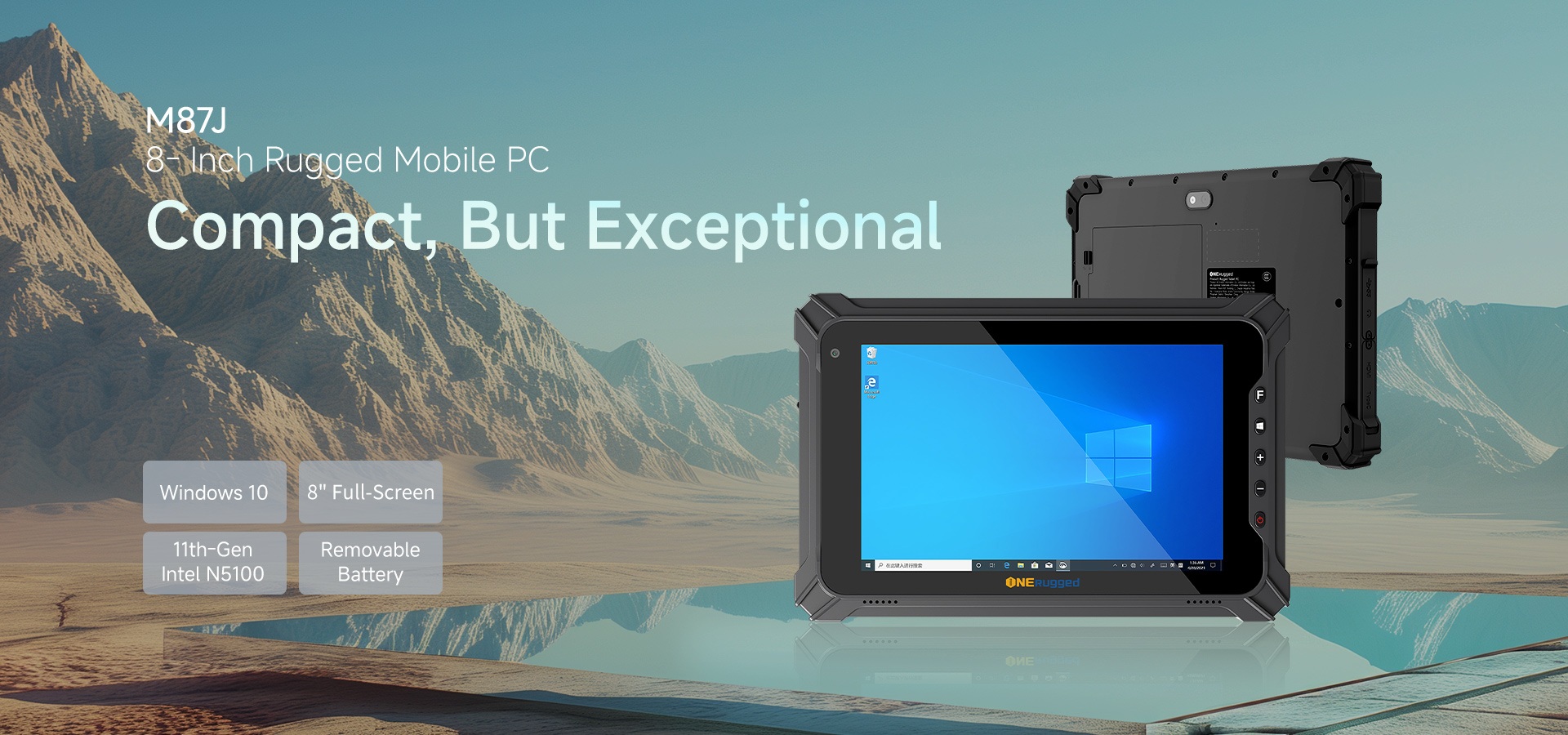
Enabling Real-Time Production Intelligence with Fully Rugged Computing
Previously constrained by paper-based work instructions and fragmented data collection, the facility struggled with operational inconsistencies, delayed model changeovers, and reactive quality management. These inefficiencies were exacerbated by environmental stressors—dust accumulation, thermal fluctuations, and continuous machine vibration—all of which degraded standard computing equipment over time. Passive failures in non-rugged systems led to unplanned downtime, disrupting workflow synchronization across assembly lines.
To overcome these obstacles, more than 400 ONERugged P17A Panel PCs were deployed across workstations, each unit hardened to meet IP65 standards and designed for uninterrupted operation under industrial conditions. Unlike conventional displays, these fully sealed touch panels resist particulate ingress and moisture exposure, ensuring long-term reliability even in high-particulate zones. It was not merely an equipment upgrade but a foundational shift toward embedded intelligence at every stage of production.
Integration of ESOP and MES for Error-Proof Workflows
With two P17A units installed per station, workers now receive dynamic, version-controlled work instructions directly through the ESOP interface. Updates are pushed instantly, eliminating delays caused by manual SOP redistribution. Process steps are visually guided, reducing human error during complex product transitions—especially critical when switching between laptop configurations and rugged tablet variants.
Simultaneously, the MES connection enables live monitoring of key performance indicators: cycle times, defect rates, tool calibration status, and material consumption. Any deviation from predefined thresholds triggers automated alerts, allowing supervisors to intervene before micro-issues escalate into systemic defects. As a result, process traceability reached 99.5%, with full audit trails preserved for compliance and continuous improvement initiatives.
Scaling Flexibility Without Sacrificing Quality
One of the most pressing demands in modern electronics manufacturing is the ability to support mixed-model production with minimal changeover time. The factory’s shift toward small-batch, high-mix output required a system capable of rapid reconfiguration without compromising consistency. Enabled by hot-swappable components and centralized MDM (Mobile Device Management), the P17A fleet supports instant profile switching tailored to specific product runs.
Additionally, all units operate on a locked-down kiosk mode, preventing unauthorized access while streamlining user interaction to only mission-critical functions. This level of control ensures that operators remain focused on tasks, unaffected by distractions or accidental misconfigurations. Over time, this contributed to an 80% improvement in first-pass yield rates—an outcome previously unattainable under legacy processes.
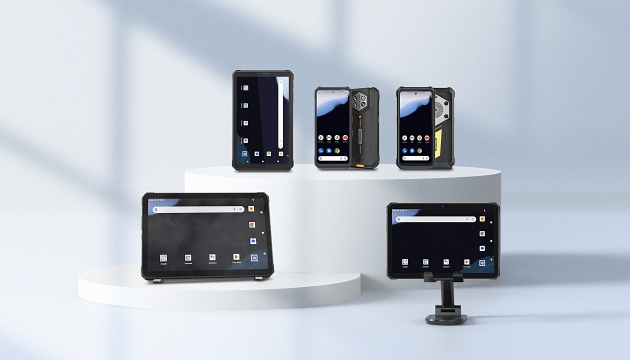
Sustaining Uptime in Harsh Industrial Environments
Durability was a decisive factor in selecting the P17A platform. Designed to comply with rigorous environmental certifications including MIL-STD-810G, the device withstands shock, vibration, and extreme temperatures ranging from -10°C to 60°C. Such resilience is essential in facilities where soldering stations generate localized heat and conveyor belts induce constant mechanical stress.
Furthermore, the fanless architecture prevents internal dust buildup—a common failure point in traditional PCs—while maintaining thermal efficiency through passive cooling. Maintenance intervals have been extended significantly, reducing total cost of ownership and increasing mean time between failures (MTBF). These features collectively ensure sustained uptime, a prerequisite for just-in-time delivery models.
Why Fully Rugged Devices Are Non-Negotiable in Smart Factories
It should be emphasized that solutions like the N14A model—classified explicitly as a fully rugged computer—are not interchangeable with semi-rugged or commercial-grade alternatives. Only fully rugged systems offer the comprehensive protection, extended lifecycle support, and industrial I/O configurations necessary for mission-critical deployments. When integrated into IIoT ecosystems, they serve as trusted edge nodes that bridge physical operations with digital analytics.
For manufacturers aiming to achieve Industry 4.0 readiness, investing in purpose-built hardware is not a cost center—it’s a strategic enabler. From enhancing traceability to accelerating response times, rugged computers form the backbone of intelligent automation. Those interested in exploring enterprise-grade solutions can learn more about scalable deployments at onerugged.com, a leader in rugged computing innovation.
Measurable Outcomes from a Digitally Transformed Line
- Over 400 rugged panel PCs deployed across 8,000 sqm production floor
- 100% digital operation scheduling and instruction delivery
- 99.5% end-to-end process traceability achieved
- 80% reduction in quality defects post-deployment
- Near-zero downtime due to environmental degradation
By anchoring its digital strategy in resilient, intelligent endpoints, the factory has positioned itself as a benchmark in agile electronics manufacturing. The synergy between rugged hardware, integrated software, and connected workflows proves that true operational excellence emerges not just from data—but from durable, reliable access to it.


评论
发表评论