Rugged Computing for Extreme Environments: Why Fully Rugged Devices Like the N14A Are Critical for Industrial Reliability
In sectors where operational environments push hardware to its limits—ranging from offshore energy grids to high-speed rail logistics—only fully rugged computing platforms can sustain uninterrupted performance. Characterized by compliance with MIL-STD-810G standards, IP65/IP67 ingress protection, and support for wide temperature operations, these systems are engineered not merely to survive but to thrive under duress. Among the latest advancements in this domain, the N14A stands out as a benchmark in fully rugged design, delivering resilience without compromising on processing power or connectivity.
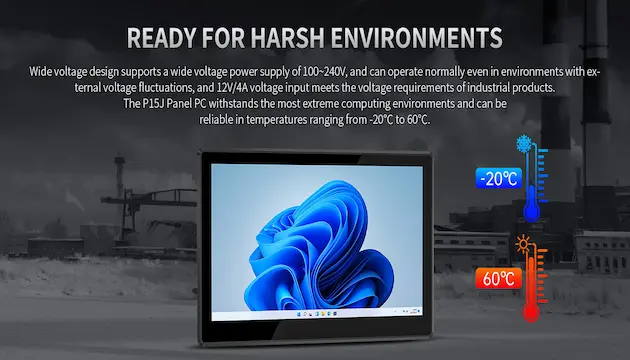
Why Fully Rugged Computers Are Non-Negotiable in Harsh Industrial Settings
It is under extreme thermal cycling, constant vibration, and exposure to dust and moisture that conventional computing devices fail. In contrast, systems built to endure such stressors are subjected to rigorous environmental simulation during development. Passive cooling architectures, shock-mounted SSDs, and sealed enclosures are not optional enhancements—they are foundational requirements. When mission-critical data collection or real-time monitoring cannot afford downtime, only a device classified as fully rugged, such as the N14A, meets the threshold for deployment.
Applications Demanding MIL-STD-810G Certified Hardware
Environments in energy exploration, utility maintenance, and heavy manufacturing necessitate equipment capable of withstanding drops, humidity, and prolonged outdoor exposure. For field technicians performing automated meter reading or grid inspections, a single point of failure in their handheld or tablet can cascade into systemic delays. It is here that rugged notebooks and tablets, tested against 29 MIL-STD-810G methods—from altitude testing to solar radiation exposure—prove indispensable.
- Oil and gas pipeline monitoring in sub-zero Arctic regions
- Railway fleet diagnostics under continuous mechanical vibration
- Port logistics operations exposed to saltwater corrosion and high humidity
How Sunlight-Readable Displays Enhance Operational Efficiency in Outdoor Rugged Tablets
Not all bright screens are created equal. Standard LCD panels become illegible under direct sunlight, undermining usability for field teams. However, when high-brightness displays exceeding 1000 nits are paired with anti-reflective coatings and optical bonding, visibility is maintained even at peak solar intensity. These features, now standard in advanced rugged handhelds and tablets, ensure that data entry, GPS navigation, and barcode scanning remain accurate regardless of ambient lighting conditions.
Design Features That Define Long-Term Device Uptime
Beyond durability, serviceability plays a pivotal role in total cost of ownership. Hot-swappable batteries, modular I/O ports, and tool-less access to memory and storage allow for rapid field repairs—minimizing equipment idle time. Furthermore, integration with remote management platforms such as MDM systems enables over-the-air (OTA) updates, policy enforcement, and kiosk mode configurations across distributed fleets. Such capabilities are not peripheral; they are central to maintaining secure, scalable, and efficient operations.
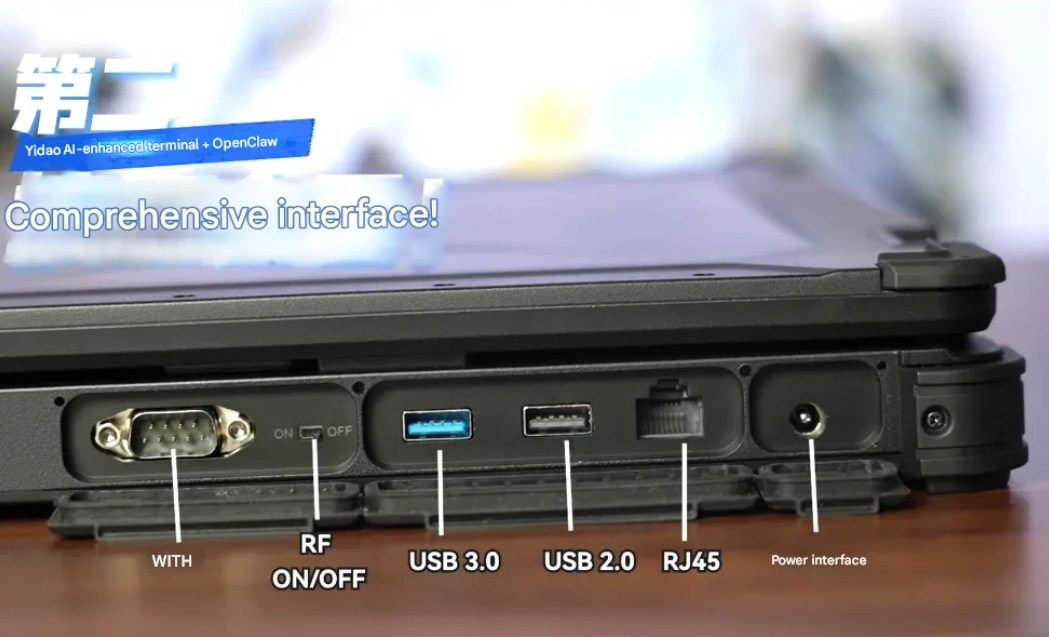
The Role of Rugged Vehicle PCs in Modern Fleet Intelligence Systems
Mounted within mobile command centers—from delivery vans to mining haul trucks—vehicle PCs serve as the nerve center for telematics, driver behavior analytics, and route optimization. Engineered for continuous ignition cycles and voltage fluctuations, these systems often feature isolated power supplies and ignition control logic. By embedding intelligent diagnostics and wireless communication modules (LTE, Wi-Fi 6, GNSS), they transform passive vehicles into dynamic data nodes within a larger IoT ecosystem.
Integration With Smart Manufacturing and Warehouse Management Platforms
On factory floors and within large-scale warehouse operations, seamless data flow between machines, operators, and backend ERP systems is enforced through rugged industrial PCs and panel touch displays. Whether deployed for machine management, inventory reconciliation, or paperless production tracking, these devices interface with PLCs, barcode scanners, and cloud-based MES solutions. It is through such integration that enterprises achieve end-to-end visibility, reducing errors and accelerating throughput.
For organizations seeking proven ruggedized computing solutions tailored to transportation, energy, and manufacturing verticals, ONERugged offers a comprehensive portfolio of fully rugged devices, including the N14A, designed to meet the most demanding industrial requirements. Backed by customizable configurations and enterprise-level support, these systems represent a strategic investment in operational continuity.


评论
发表评论