Outdoor Rugged Tablets for Field Workers with 1200 Nits and IP67
Field teams in utilities, transportation, and outdoor manufacturing don’t need tablets that look rugged—they need ones that stay functional after a rainstorm, a drop onto gravel, or hours under direct sun. That’s where Onerugged’s Outdoor Rugged line delivers without overpromising: slim form factor, real-world sealing, and sunlight-readable displays built for sustained outdoor use—not lab conditions.
Field Service Dispatch with 1200 Nits Sunlight Readability
When your team is verifying pole-mounted equipment in full daylight or inspecting solar arrays at noon, standard 500–700 nit displays wash out. The 1200 nits brightness on Onerugged’s Outdoor Rugged tablets isn’t a marketing footnote—it’s the difference between squinting at a dimmed screen or reading live diagnostics without shade or a hood. This isn’t about peak burst brightness; it’s sustained luminance across the entire display, calibrated for consistent legibility even at acute viewing angles.
Utility Pole Inspections with IP67 Sealing
IP67 means dust-tight and submersible up to 1 meter for 30 minutes—critical when tablets ride in tool belts during wet-season inspections or get hosed down after mud-heavy site visits. Unlike IP65 (jet-resistant only), IP67 covers incidental submersion: think dropped units in puddles, rinsed gear after desert dust storms, or damp storage in vehicle trunks. It’s not about deep-water diving—it’s about surviving the routine moisture exposures field crews actually face.
Why glove touch matters more than stylus latency
Most industrial users aren’t sketching schematics—they’re tapping checkboxes, scanning QR tags on transformer lids, or confirming work orders with one hand while holding a ladder rail. That’s why Onerugged’s Outdoor Rugged tablets prioritize responsive glove-touch over ultra-low stylus parallax. Tested with standard utility-grade nitrile and leather gloves, the capacitive layer maintains reliable input without requiring pressure calibration or mode switching. No ‘glove mode’ toggle—just consistent response, every time.
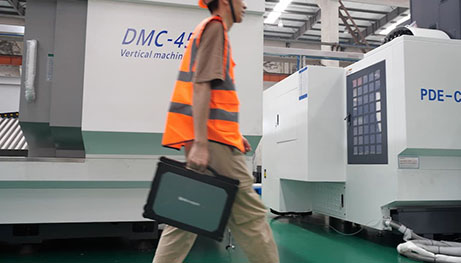
Vehicle Mounting and Thermal Stability in Unconditioned Cabs
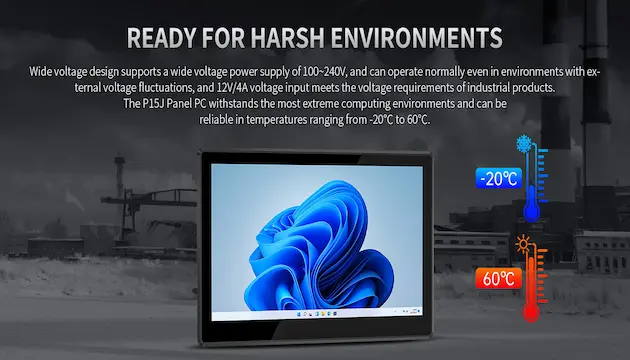
These devices are routinely mounted in service vans, bucket trucks, and crew cabs—environments where internal temps swing from -20°C overnight to +60°C midday. The Outdoor Rugged series operates reliably across that full range, with no thermal throttling or condensation-related reboots. That stability isn’t just about component spec sheets—it’s reflected in reduced mid-shift device resets during summer roadside repairs or winter grid inspections.
For teams evaluating durable mobile hardware, the trade-off isn’t always price versus features—it’s reliability versus downtime. Devices like these reduce the need for backup units, spare batteries, or ad-hoc workarounds when screens fail mid-task. If your workflow includes frequent outdoor verification, mobile asset tagging, or unsheltered data capture, specs like rugged tablets with proven environmental ratings matter more than glossy UI polish. Likewise, extreme temperature resilience directly impacts how often a tablet gets pulled from service for cooling or battery replacement.
For applications where mobility meets exposure—like meter reading in coastal zones or rail infrastructure audits—this category bridges the gap between consumer-grade portables and heavy-duty industrial PCs. You’ll find more context on environment-specific deployment patterns in our guide to rugged tablets for hazardous locations, though this Outdoor Rugged line targets non-classified, high-exposure field roles—not intrinsically safe zones.


评论
发表评论