Rugged Handheld PDAs for Warehouse Management with IP67 Sealing
Warehouse operations demand more than just barcode scanning — they require devices that keep working through dust, spills, accidental drops, and constant handoffs between shifts. That’s where purpose-built Onerugged Rugged Handheld PDAs come in: compact, Android-based units engineered for the physical realities of distribution centers, cross-docks, and staging areas.
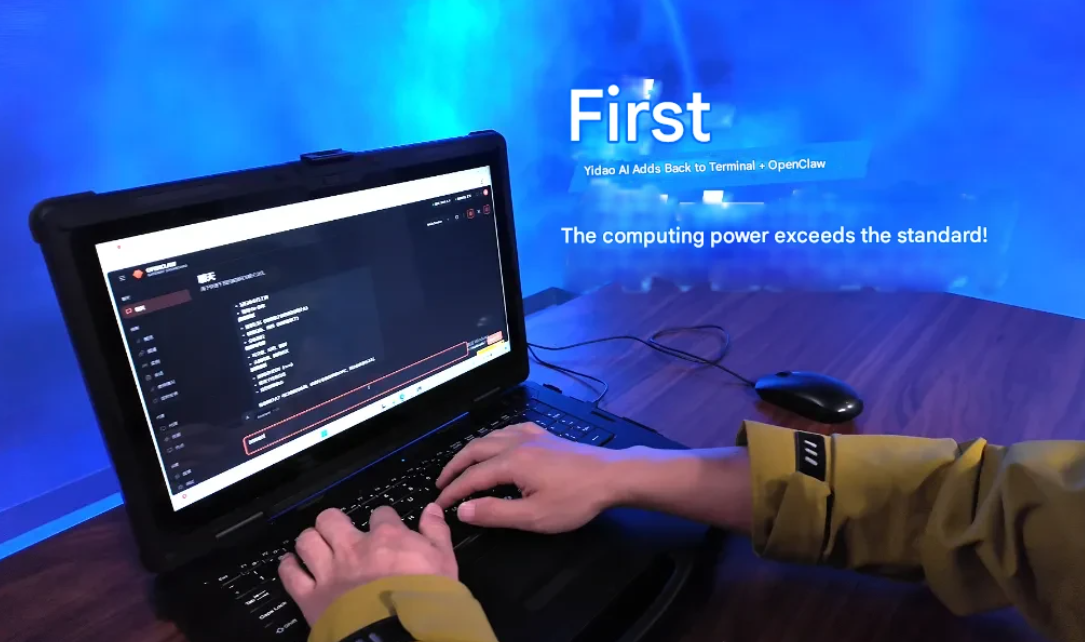
Warehouse Inventory Management with IP67 Sealing
IP67 isn’t just a number on a spec sheet — it means these PDAs survive full submersion in 1 meter of water for up to 30 minutes and block all dust ingress. In practice, that translates to resilience during rainy dock unloading, wet-floor cleanup cycles, or accidental drops into shipping containers with condensation. Unlike consumer-grade scanners that fail after one splash, IP67-rated units maintain uptime without requiring protective sleeves or scheduled decontamination breaks.
Outdoor Receiving with 1200 Nits Sunlight Readability
Receiving teams often scan pallets under open canopies or near loading bay doors where direct sunlight washes out displays. At 1200 nits, the screen stays legible without squinting or shielding — no need to pause workflow and step into shade. This isn’t about peak brightness marketing; it’s about reducing mis-scans caused by unreadable UI elements when ambient light exceeds 10,000 lux. The high-nit display pairs with anti-reflective coating, not glossy glass — a detail that matters when scanning under metal halide or LED high-bay fixtures.
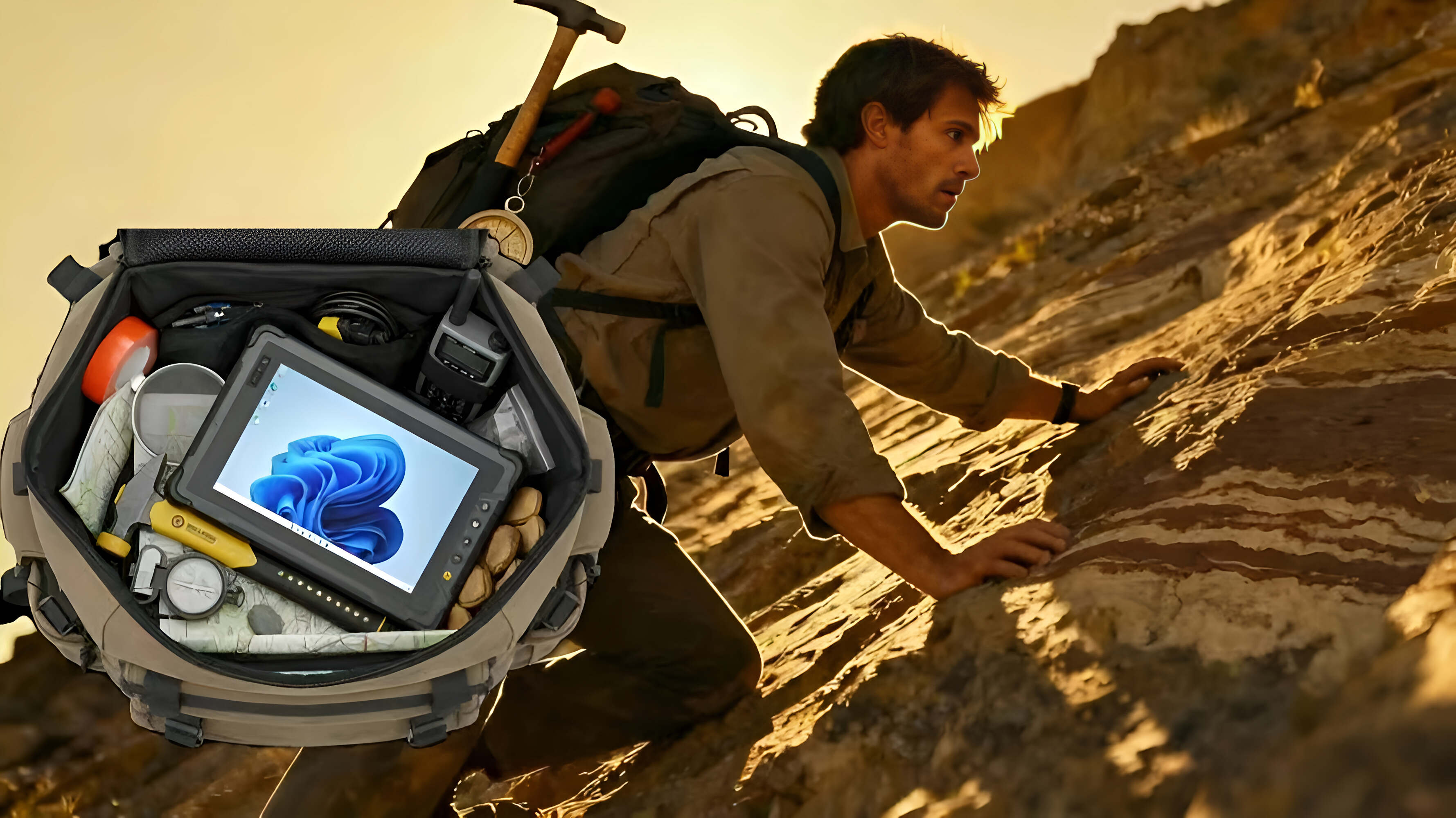
Forklift Mounting and Glove-Touch Response in Cold Storage
Many warehouses deploy these PDAs on forklift-mounted vehicle docks — especially in refrigerated or freezer zones where temperatures dip below 0°C. The device’s operating temperature range (–20°C to 60°C) supports continuous use without thermal throttling or touchscreen lag. More critically, the capacitive screen responds reliably with standard winter gloves — not just ‘glove mode’ toggles that reduce sensitivity, but true multi-layer glove compatibility validated across common knit, leather, and insulated work gloves. That eliminates the friction of removing gloves mid-task — a small but cumulative time-saver across hundreds of daily scans.
Why Procurement Teams Prioritize MIL-STD-810G Over Consumer Tablets
- MIL-STD-810G drop testing (1.2m onto concrete) reflects real-world handling — not lab-perfect conditions. These units are tested with batteries installed and ports covered, matching how they ship and deploy.
- No plastic housings or glued bezels: aluminum alloy frames and reinforced corners absorb impact energy without cracking or warping.
- Sealed buttons and recessed ports prevent debris buildup — a frequent failure point in older industrial scanners needing weekly cleaning.
For procurement managers evaluating TCO, the durability specs directly reduce replacement frequency, spare-part inventory, and helpdesk tickets tied to physical damage. You’ll find deeper context on long-term cost drivers in our guide to industrial PC selection criteria.
These PDAs also integrate cleanly into existing MDM environments and support OTA updates — a practical win for IT teams managing fleets across multiple sites. For field teams facing harsh automotive environments, see how similar ruggedization principles apply in rugged tablets. And if your workflows extend beyond handhelds — say, into mobile kiosks or fixed-mount control points — explore deployment patterns for rugged tablets built for extended outdoor exposure.


评论
发表评论