Rugged tablets for automotive diagnostics with IP65 and hot-swappable battery
Automotive manufacturing plants demand tools that keep pace with fast-paced assembly lines and rigorous diagnostic workflows. The ONERugged M10T was deployed specifically to replace consumer tablets failing under real shop-floor conditions — not in lab simulations, but where oil, metal shavings, incidental drops, and multi-shift usage are daily realities. It’s not about theoretical durability; it’s about staying powered, connected, and readable from chassis inspection to final ECU validation.
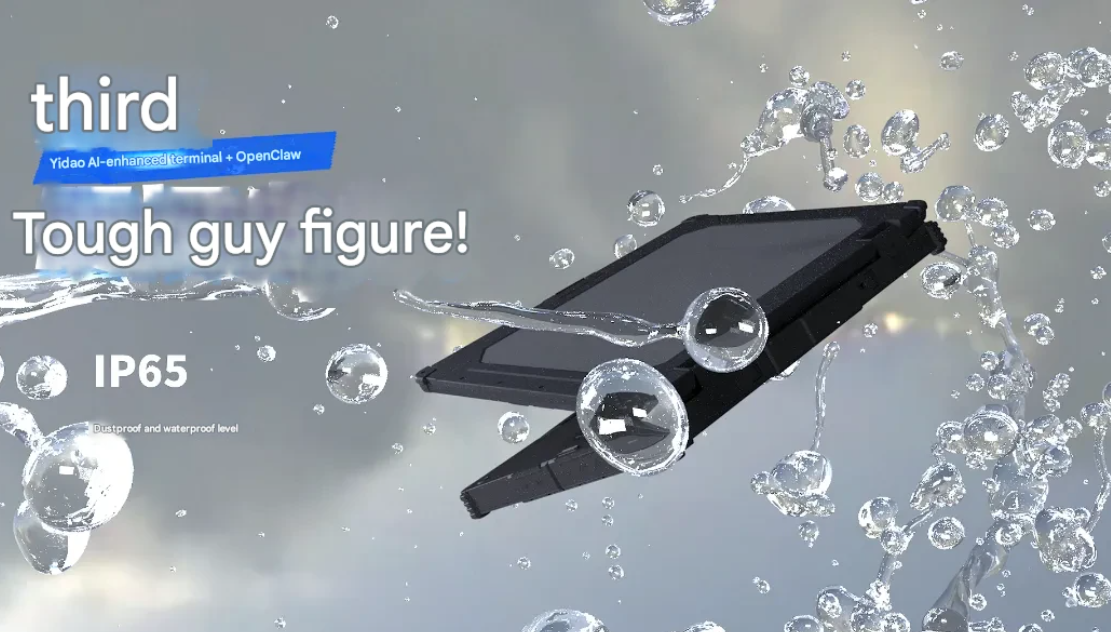
Automotive Diagnostic Workflows with IP65 Sealing
In vehicle assembly bays and final test lanes, dust from brake pad grinding, overspray from paint booths, and condensation from climate-controlled test cells all threaten device integrity. The M10T’s IP65 rating means it resists low-pressure water jets and full dust ingress — enough to survive routine washdowns near undercarriage inspection pits or benchtop diagnostic stations where compressed air is used for cleaning. Unlike IP67 units designed for submersion, IP65 reflects a practical match for the majority of automotive factory environments: protection where it matters, without over-engineering for edge cases that rarely occur on the line.
Multi-Shift Diagnostics with Hot-Swappable Battery
Diagnostic engineers often work across overlapping shifts — no downtime for charging. The M10T’s hot-swappable battery eliminates the need to power down during battery replacement. One technician can pull a depleted unit, slot in a fully charged battery, and resume CAN bus scanning or OBD-II logging in under 10 seconds. This isn’t about peak runtime numbers; it’s about predictable uptime when swapping batteries at shift change or during lunch breaks — no docking stations, no waiting for USB-C trickle charge, no hunting for outlets near rolling chassis.
Underhood Diagnostics with MIL-STD-810G Drop Resistance
Working beneath vehicles or around tight engine bays means frequent incidental drops onto concrete, steel grating, or gravel lots. The M10T meets MIL-STD-810G for 4-foot drops onto plywood over concrete — a validated threshold for survivability in uncontrolled field conditions, not just lab-certified claims. Its reinforced magnesium alloy frame absorbs impact energy without compromising screen visibility or port alignment. That reliability reduces unplanned replacements and avoids data loss mid-diagnostic session — critical when validating torque specs or emission control logic before roll-off.
Why procurement teams choose this rugged tablet over consumer alternatives
From a TCO standpoint, the M10T’s design directly addresses three recurring cost drivers: device attrition from physical damage, labor time lost waiting for charge cycles, and workflow friction caused by incompatible interfaces. Its native RS232, CAN bus support, and Bluetooth 5.0 eliminate dongles or protocol converters needed to interface with legacy diagnostic hardware — cutting integration time and reducing points of failure. You’ll find similar capabilities across rugged tablets built for Tier 1 suppliers, but few offer this combination at this serviceability level.
For longer-term deployments, the ability to upgrade firmware over-the-air (OTA) and enforce kiosk mode via the built-in MDM SYSTEM helps maintain compliance across hundreds of units — especially important as OEMs tighten cybersecurity requirements for connected diagnostic endpoints. If you’re evaluating options beyond basic spec sheets, the rugged tablets comparison guide covers real-world service intervals and battery lifecycle expectations under continuous use.
Learn more about how the M10T integrates into production-line diagnostic workflows at Onerugged.


评论
发表评论