Rugged Tablets for Energy and Utilities: Sunlight-Readable Displays in Field Operations
Field teams in energy and utilities don’t get the luxury of controlled indoor lighting or climate-stable workspaces. They’re inspecting substations at noon under direct sun, scanning meters in desert heat, or troubleshooting grid infrastructure after a storm — all while wearing gloves and carrying tools. That’s why display readability isn’t a ‘nice-to-have’ — it’s a daily operational requirement.
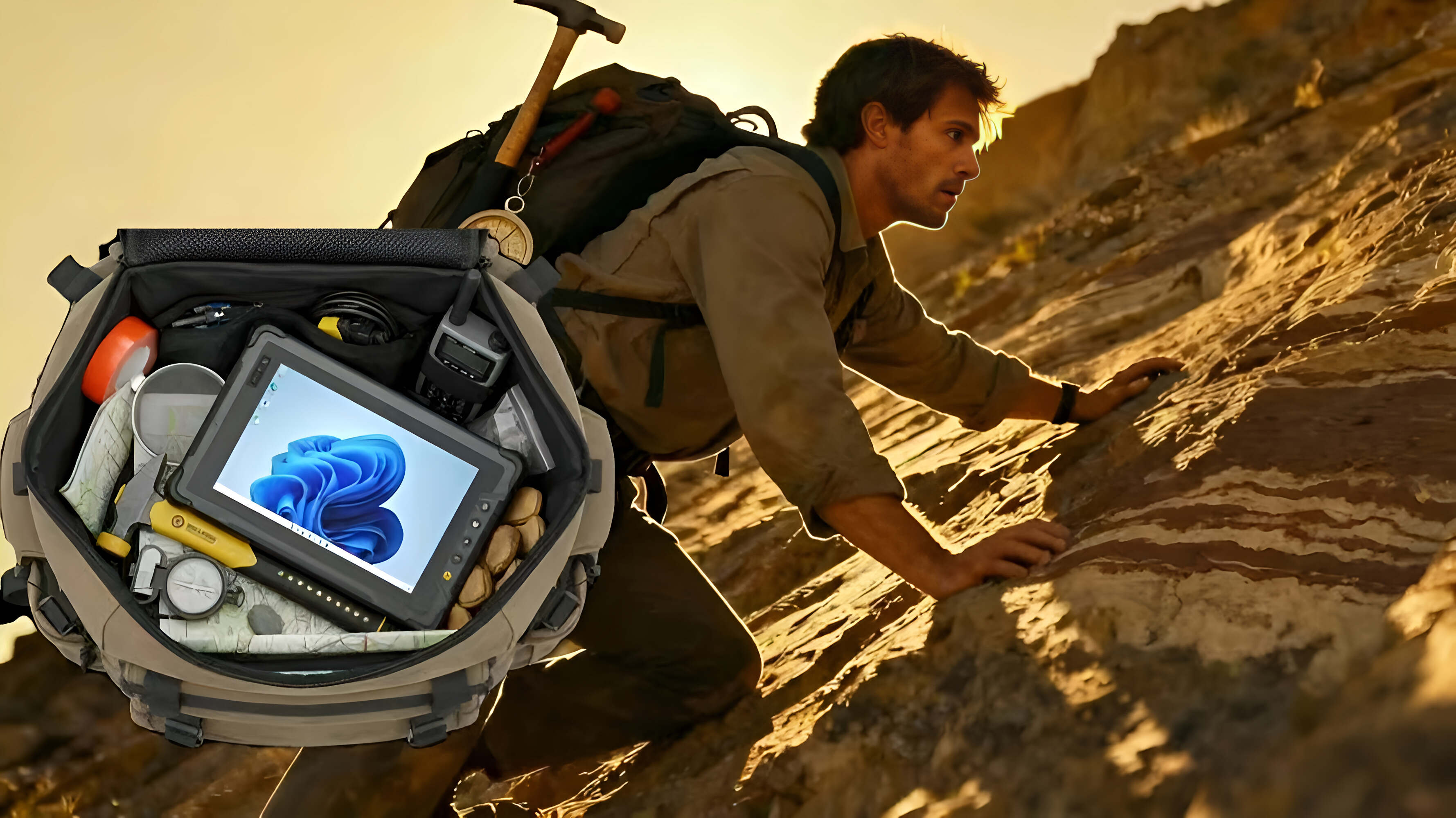
Grid Inspections with 1200-Nit Sunlight Readability
ONERugged’s rugged tablets — like those deployed across real-world utility field operations — feature 1200-nit displays. That’s not marketing fluff: it’s the minimum brightness threshold where text and icons remain legible without shading your eyes or tilting the device. In practice, this means technicians can verify meter readings, pull up schematics, or annotate inspection reports on-site without fumbling for shade or switching to paper backups.
This level of brightness pairs directly with optical bonding and anti-reflective coatings — both standard in ONERugged’s outdoor-rugged lineup — to cut glare from low-angle sunlight or wet screen surfaces. No need to recalibrate workflows around weather windows or time of day.
Fleet Management with MIL-STD-810G and IP65 Sealing
Vehicle-mounted deployments demand more than just mounting hardware. They require resistance to vibration, thermal shock, and incidental water exposure — especially during rain-soaked roadside diagnostics or wash-down cycles in depot maintenance bays. The MIL-STD-810G rating confirms tested performance across drops, shocks, and temperature extremes; IP65 adds protection against dust ingress and low-pressure water jets.
For fleet managers coordinating mobile crews, that translates to fewer device failures during routine service intervals — and less downtime waiting for replacements or reconfigurations. It also simplifies device lifecycle planning: these specs support multi-year deployments without unexpected attrition from environmental stress.
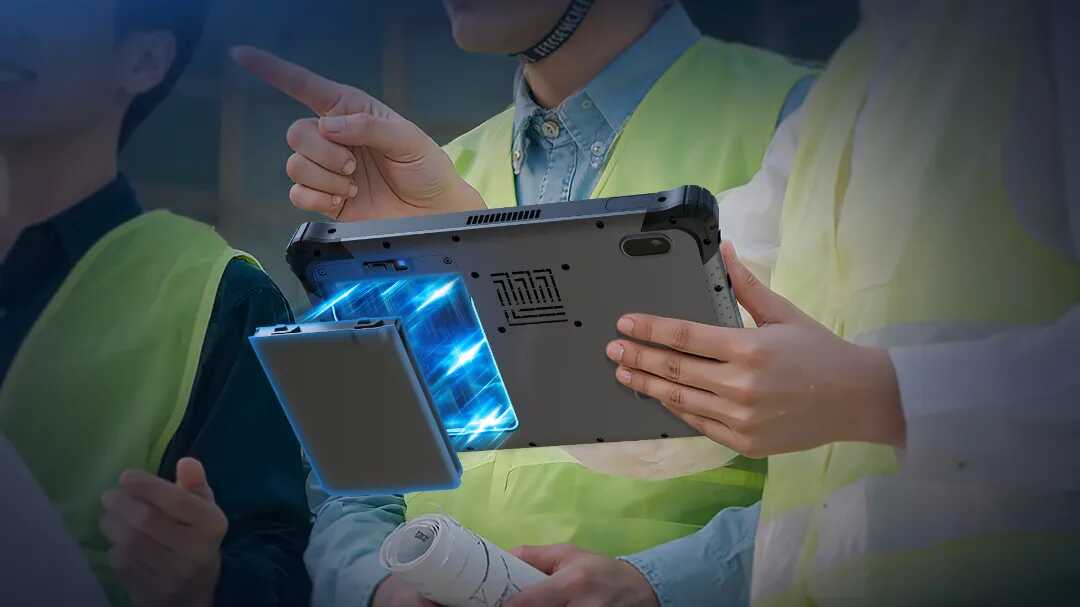
Why Procurement Teams Prioritize These Specs
From a TCO standpoint, the 1200-nit display and IP65/MIL-STD-810G build aren’t premium add-ons — they’re risk-mitigation features baked into the hardware. Consumer-grade tablets may cost less upfront, but their failure rates climb sharply in unconditioned environments. Replacing units mid-deployment, retraining staff on new devices, or patching workflow gaps due to screen unreadability all add hidden labor and coordination costs.
That’s why procurement managers evaluating rugged tablets for long-cycle field programs focus first on verified environmental ratings — not just processor speed or screen size. When devices stay functional across seasons, shifts, and service conditions, the investment pays out in consistent uptime and predictable maintenance cadence.
ONERugged’s portfolio — including models like the M10A and M80T — is built specifically for these realities. You’ll find them in use across actual utility inspections, port logistics, and rail-side maintenance workflows — not as lab prototypes, but as production-grade tools. Explore the full range of enterprise-ready options at Onerugged.
Looking deeper into how these devices integrate with existing infrastructure? See how rugged tablets support public utilities’ digital inspection mandates — or how industrial PC deployments handle rail yard communications and diagnostics.


评论
发表评论