Rugged Tablets for Energy and Utilities with Sunlight-Readable Displays
Real-Time Grid Inspections with Sunlight-Readable Tablets
Field technicians in energy and utilities don’t get to choose their working conditions — they’re on transmission towers at noon, inside substations under direct sun, or walking meter routes across open terrain. That’s why Onerugged builds tablets with 1200-nit displays: not as a spec sheet checkbox, but as a functional requirement for reading live voltage readings, GIS overlays, or work order details without squinting, shading the screen, or rebooting after glare-induced touch failure.
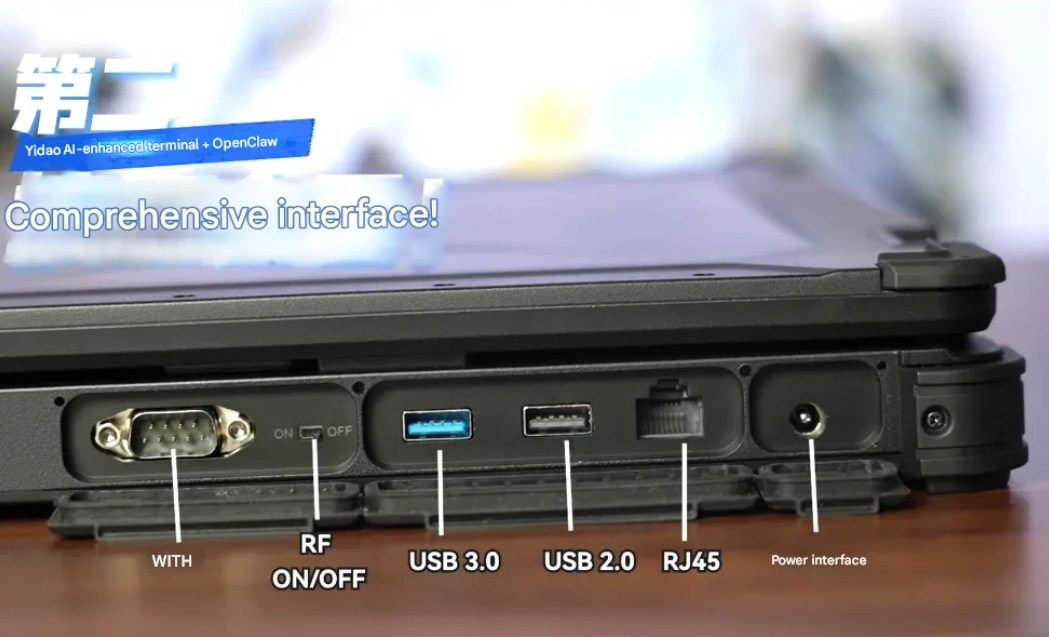
Why 1200 Nits Isn’t Overkill — It’s Operational Baseline
In outdoor utility environments, typical commercial tablets (300–500 nits) wash out completely. A 1200-nit panel doesn’t just ‘look brighter’ — it maintains contrast ratio and capacitive responsiveness even when ambient light exceeds 10,000 lux. That translates directly to fewer missed scans during automated meter reading, reduced time spent repositioning devices mid-inspection, and less fatigue-induced data entry error on long grid patrols.
Extreme Outdoor Environments with IP67 Sealing
IP67 isn’t just about surviving rain. For crews maintaining remote substations or wind farm infrastructure, it means the device stays sealed against dust ingress during desert transport, resists corrosion from coastal salt spray, and survives accidental submersion during riverbank inspections — all without requiring protective cases that add bulk, reduce grip, or block ports.
No Workarounds, No Compromises on Physical Reliability
You won’t find rubberized bumpers grafted onto consumer-grade chassis here. The sealing is integrated into the mechanical design — gaskets at the display bezel, reinforced I/O covers, and ventless thermal management. That means no unexpected seal degradation after 18 months of daily holster use, and no need to recalibrate touchscreen accuracy after pressure washing.
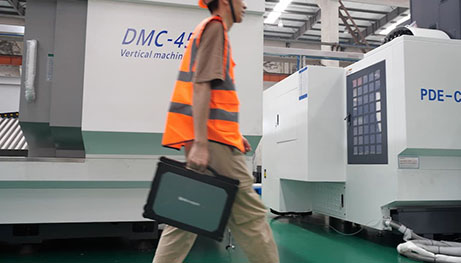
On-Site Operation with MIL-STD-810G Drop Resistance
Drop testing standards matter only insofar as they reflect real usage. MIL-STD-810G’s 4-foot concrete drop test aligns closely with how field devices are actually handled: dropped from waist height while stepping off truck beds, slipped from gloved hands on metal ladder rungs, or jostled loose during equipment bag transfers. Devices built to this standard maintain structural integrity and touchscreen function across thousands of such incidents — not just the first few.
Tactical Ergonomics for Gloved Hands and One-Handed Use
Frontline users don’t pause to remove gloves before interacting with a device. Onerugged tablets support glove-touch operation without sacrificing precision — critical when confirming breaker status or annotating infrared thermography images. The chassis shape and weight distribution also allow stable one-handed operation while holding tools, clipboards, or safety gear — something bulkier or top-heavy designs consistently fail at in live depot trials.
For procurement teams evaluating long-term value, these specs directly reduce replacement frequency and avoid downstream costs tied to workflow interruption. A single failed tablet during a scheduled grid inspection can delay reporting, trigger manual fallback processes, and increase labor time per asset. That’s why durability isn’t just about hardware — it’s about sustaining operational rhythm. Learn more about how rugged tablets influence total cost of ownership over multi-year deployments. For deeper technical comparisons across form factors, see our rugged tablets buyers guide. And for vehicle-specific deployment patterns, review real-world integration examples in industrial PC field use cases.


评论
发表评论