Rugged Tablets for Energy and Utilities with Sunlight-Readable Displays
Field teams in energy and utilities operate where most commercial tablets fail: under direct desert sun, inside humid substations, or on rain-slicked transmission towers. Device reliability isn’t about convenience—it’s about whether a technician can verify a meter reading without squinting, rebooting, or swapping batteries mid-inspection. That’s why sunlight readability isn’t a ‘nice-to-have’ spec—it’s foundational to operational continuity.
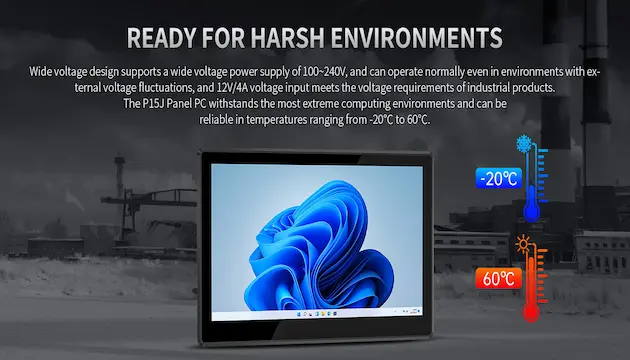
Real-Time Grid Inspections with 1200 Nits Outdoor Visibility
ONERugged’s sunlight-readable tablets deliver 1200 nits brightness—enough to maintain legibility even at noon on an open substation yard. Unlike consumer-grade panels that wash out above 500 nits, this level supports quick visual verification of live SCADA overlays, GIS maps, and thermal imaging feeds without shade tents or screen hoods. The difference shows up not in lab tests, but in reduced repeat site visits when field staff capture clean, actionable data the first time.
Why 1200 Nits Matters for Field Mobility
- No need to tilt or reposition the device to find contrast—critical when wearing arc-flash gear or working from bucket trucks;
- Consistent readability across seasonal sun angles, from high-latitude winter low-light to equatorial midday glare;
- Reduces eye fatigue during multi-hour patrols—especially important on extended infrastructure audits.
This isn’t theoretical performance. As documented in overcoming extreme environments, field crews using devices below 1000 nits reported higher screen interaction errors during AM shift handovers in southern utility corridors.
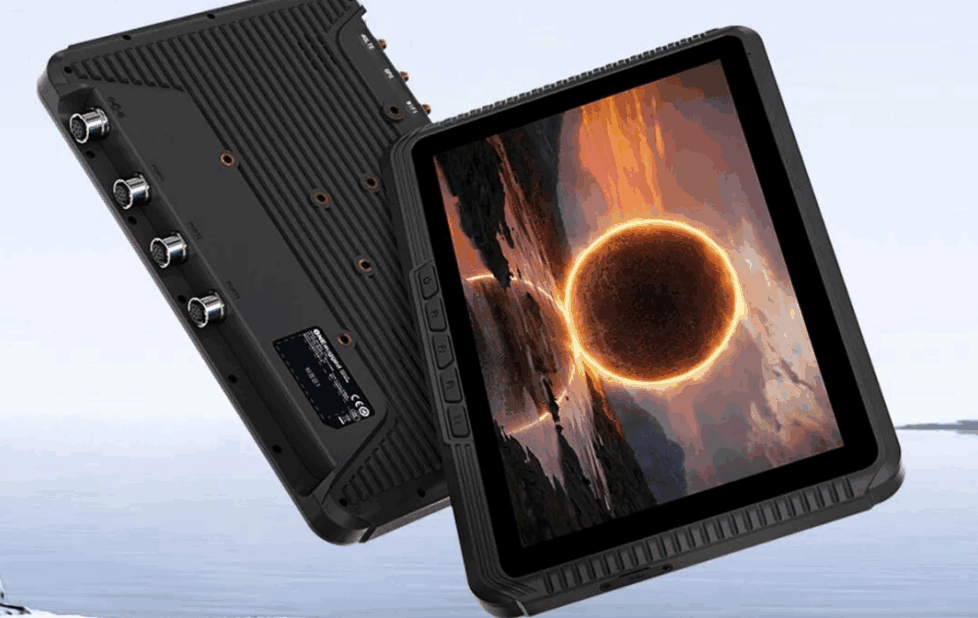
On-Site Operation in Humid, Dusty, and Rain-Exposed Environments
Energy fieldwork rarely happens indoors. Whether it’s automated meter reading in coastal substations or pole-top inspections after a thunderstorm, environmental resilience is non-negotiable. ONERugged devices carry IP67 sealing—meaning full dust ingress protection and temporary immersion resistance up to 1 meter for 30 minutes. That rating directly addresses real failure modes: silica dust buildup in desert switchyards, salt fog corrosion near offshore wind substations, and sudden downpour exposure during line crew response.
MIL-STD-810G Drop Resistance for Routine Handling
A 1.2-meter drop onto concrete isn’t a stress test—it’s Tuesday. Technicians routinely set tablets down on steel grating, pass them across ladder rungs, or stow them in vehicle consoles with minimal padding. MIL-STD-810G certification validates structural integrity across repeated impacts, not just single drops. It reflects how the chassis, display bonding, and port seals hold up over months—not just hours—of field use. You’ll find this durability consistently referenced across fleet management and rugged tablets deployments where hardware turnover is measured in years, not quarters.
For procurement managers evaluating long-term value, these specs translate directly into lower failure rates, fewer emergency replacements, and less time spent coordinating loaner units during peak outage seasons. When you’re outfitting crews for grid hardening or renewable integration projects, the upfront cost of a Onerugged device is weighed against its ability to stay powered, visible, and sealed—shift after shift, season after season.


评论
发表评论