Rugged Tablets for Energy and Utilities: IP67 and MIL-STD in Field Operations
Field teams in energy and utilities don’t have the luxury of rebooting a tablet mid-inspection on a substation fence or during a pipeline integrity check. They need hardware that stays responsive in rain, dust, direct sun, and after repeated drops onto gravel or concrete. That’s why Onerugged rugged tablets appear consistently across real-world deployments—from transmission line patrols to distribution vault assessments.
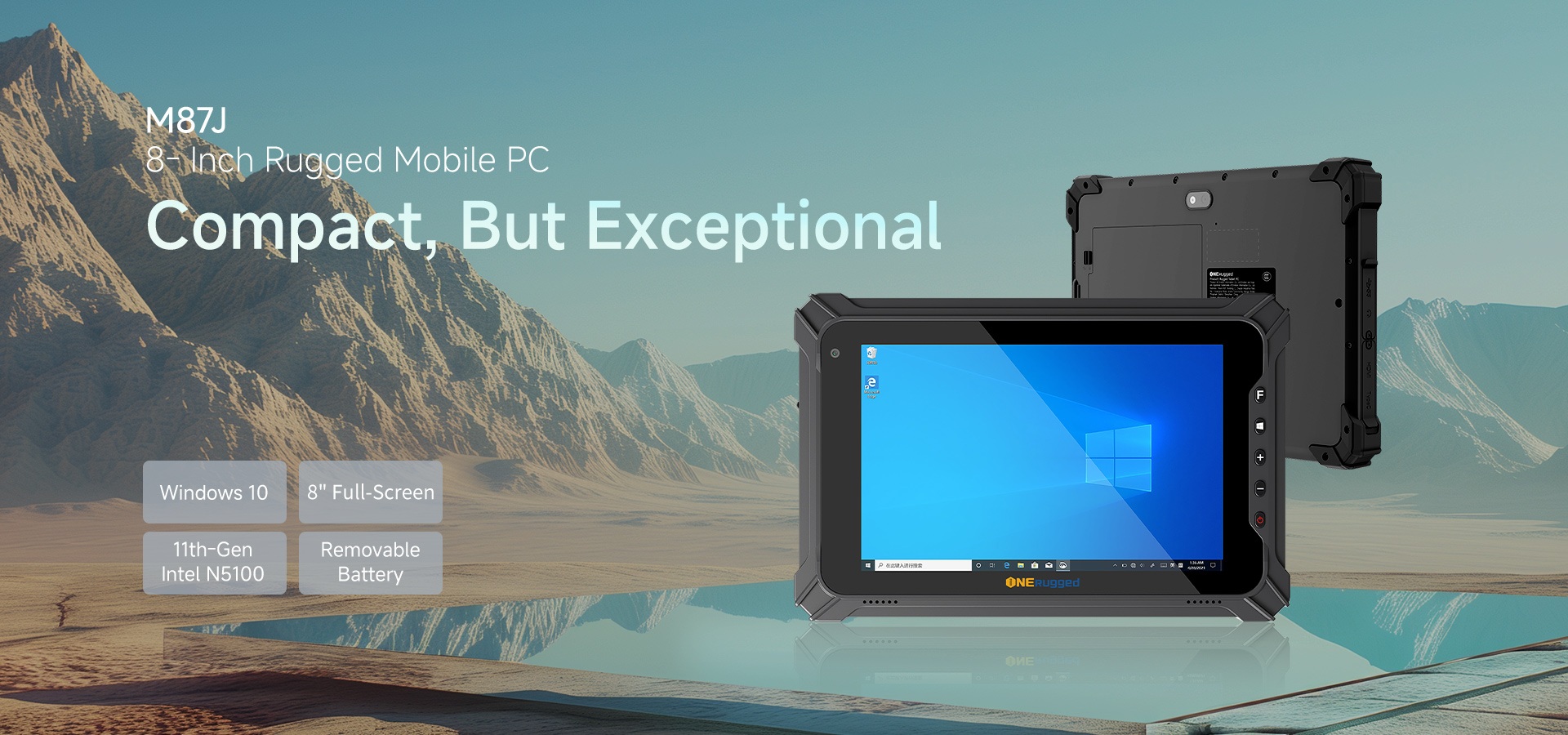
Substation Patrols with IP67 Sealing
IP67 isn’t just a number—it means no water ingress after 30 minutes submerged at 1 meter, and zero dust penetration. For utility technicians walking switchyards in monsoon season or inspecting underground vaults after heavy rain, that rating translates directly to uptime. No need to shelter the device under a jacket or delay data capture until conditions improve. The seal holds through hose-downs, condensation cycles, and incidental submersion—common during seasonal maintenance sweeps.
Transmission Line Inspections Under Direct Sunlight
Many field crews report screen washout on standard tablets when checking pole-mounted transformers or conductor splices at noon. Onerugged’s 1200-nit displays cut through glare without requiring shade tents or repositioning. Combined with glove-touch responsiveness—even with leather or insulated work gloves—the interface remains usable without removing PPE. That’s not about convenience; it’s about maintaining situational awareness while keeping hands protected near live equipment.
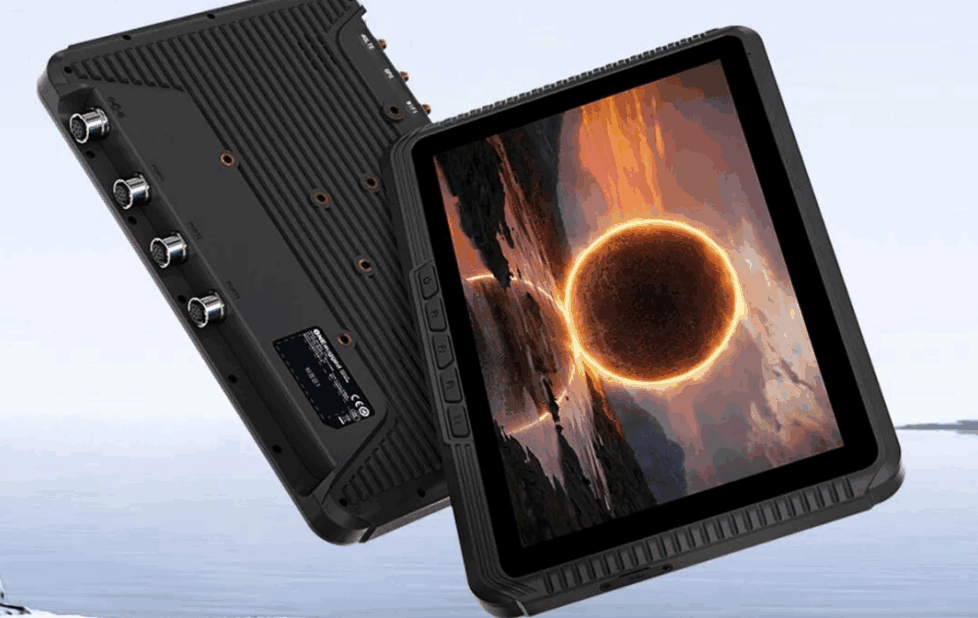
Mobile Workforce Handoffs with Wi-Fi 6 and 5G Support
From the IT/DevOps Admin perspective (Perspective A), connectivity isn’t optional—it’s foundational to workflow continuity. These devices support Wi-Fi 6 for dense site coverage (think control room basements or crowded substations) and optional 5G modules for real-time sync in remote rights-of-way. MDM integration is native, and OS-level security policies—including FIPS-compliant encryption and secure boot—align with utility-sector IT standards. Battery life sustains full-shift operation without hot-swapping, and firmware updates deploy reliably over-the-air without interrupting scheduled inspections.
Why durability specs matter beyond the spec sheet
- MIL-STD-810G drop testing covers 26 drops onto plywood from 1.2 meters—realistic for slips off tool belts or ladder rungs;
- Operating temperature range (-20°C to 60°C) supports winter grid hardening checks and summer load studies;
- Corrosion-resistant chassis handle coastal salt exposure and chemical-laden environments near treatment facilities.
For procurement managers evaluating TCO, these aren’t incremental upgrades—they’re failure-mode reductions. Fewer replacements, less downtime, and lower per-device support overhead over 4–5 years of service. You’ll find deeper technical context in our guide to rugged tablets for public utilities, as well as operational use cases in warehouse management and rugged tablets across industrial workflows.


评论
发表评论