Rugged Tablets for Energy and Utilities with Sunlight-Readable Displays
Field teams in energy and utilities don’t get second chances at data capture — especially when inspecting substations at noon, scanning meters in desert heat, or troubleshooting grid assets under open sky. That’s why sunlight readability isn’t a ‘nice-to-have’; it’s the baseline requirement for any tablet deployed outside climate-controlled offices.
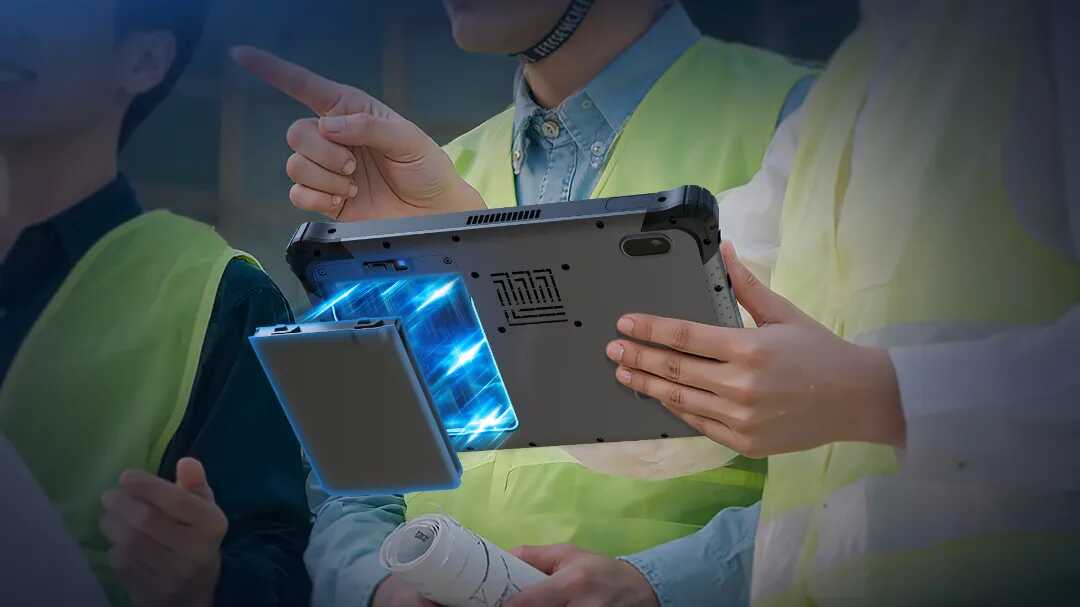
Grid Inspections Under Direct Sunlight with 1200 Nits Brightness
ONERugged’s industrial tablets deliver up to 1200 nits peak brightness — not just 'high-brightness' marketing language, but a measurable luminance level that maintains legibility even in full sun exposure. For utility technicians walking transmission corridors or climbing poles, this means no squinting, no shade-hunting, and no re-scanning due to washed-out screens. It’s the difference between verifying a breaker status in 3 seconds versus fumbling with screen hoods or retreating to shaded areas.
Real-Time Meter Reading Without Screen Glare or Touch Failure
Automated meter reading (AMR) workflows depend on consistent touch response — even with damp gloves or after handling tools in dusty conditions. These devices support glove-touch operation across the full active area, not just limited zones. Combined with anti-reflective, hardened glass, the interface stays responsive and visible whether you’re standing in a humid coastal substation or a high-altitude wind farm service cabin.
Why This Matters for Procurement Teams
From a procurement perspective, the 1200-nit display directly reduces field rework and device-related downtime. A lower-brightness tablet may survive drop tests and boot reliably — but if field crews consistently pause work to adjust lighting, tilt the screen, or restart apps due to thermal throttling in ambient heat, TCO climbs silently. ONERugged’s design integrates optical bonding and thermal management to sustain brightness without overheating — meaning fewer mid-shift battery swaps and longer operational windows per charge.
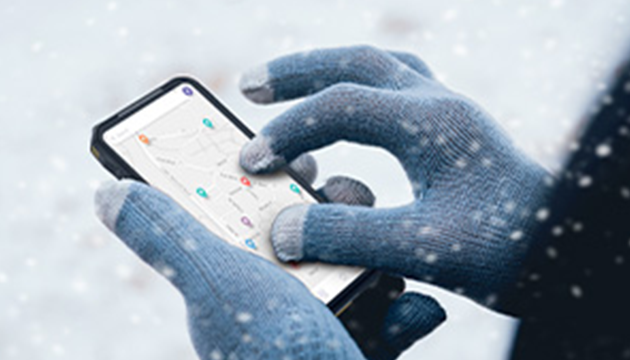
On-Site Operation in Extreme Outdoor Environments
The rugged tablets built for energy and utilities aren’t rated for lab conditions — they’re validated for real-world extremes. That includes sustained operation in temperatures ranging from -20°C to 60°C, sealed against dust and rain (IP65/IP67-rated models), and shock-tested to MIL-STD-810G standards. These aren’t incremental upgrades over commercial tablets — they’re engineered trade-offs: thicker bezels for impact absorption, reinforced hinges for repeated vehicle mounting, and ventless enclosures to prevent moisture ingress during monsoon-season inspections.
For teams managing critical infrastructure, reliability isn’t abstract. It’s measured in uninterrupted AMR cycles, uncorrupted inspection logs, and zero device failures during scheduled outage windows. You can explore how these specs translate across deployment scenarios in our deep-dive on extreme temperature resilience — or compare handheld form factors used in parallel logistics roles via rugged handheld terminals.
If your team is evaluating devices for grid modernization, remote SCADA access, or mobile workforce enablement, Onerugged offers purpose-built hardware — not repurposed consumer gear with added casings.


评论
发表评论