Rugged Tablets for Energy and Utilities: Sunlight-Readable Displays
Field teams in energy and utilities don’t get second chances with device visibility. Whether inspecting transmission towers at noon or scanning meters in desert heat, a screen that washes out isn’t just inconvenient—it breaks workflow continuity. That’s why sunlight readability isn’t a nice-to-have spec; it’s a non-negotiable requirement baked into Onerugged’s industrial tablets built for this sector.
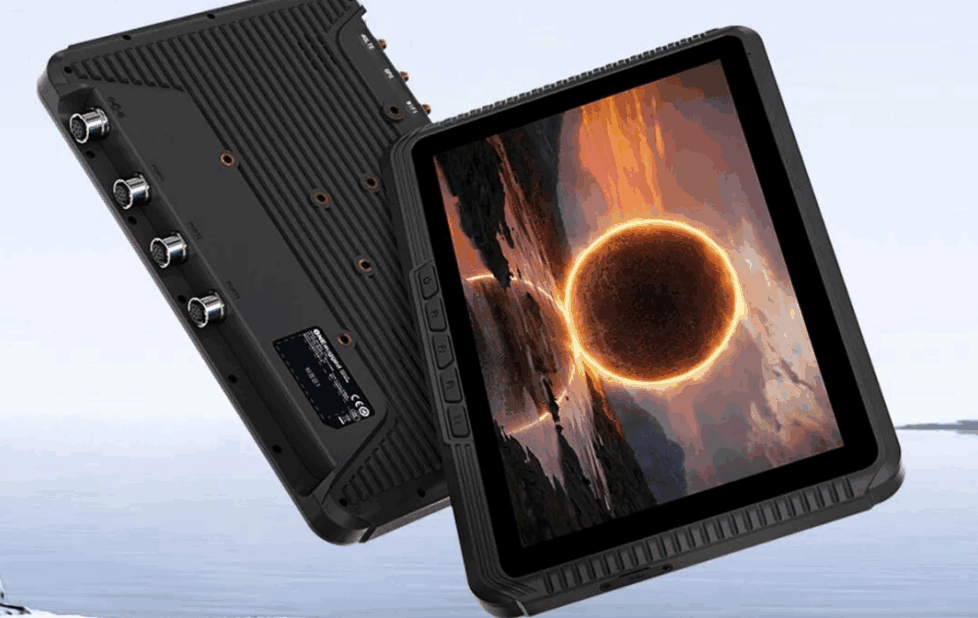
Grid Inspections Under Direct Sunlight with 1200 Nits Display
ONERugged’s energy and utility solutions include tablets rated at 1200 nits—measured under real-world ambient light conditions, not lab-darkroom baselines. For field technicians climbing poles or walking substation perimeters, that brightness level ensures legible UI elements, barcode scans, and real-time telemetry overlays without squinting or shading the screen with a hand. It’s not about peak luminance alone; it’s about contrast retention when backlight bleed and glare would otherwise obscure touch targets.
Why 1200 nits matters more than resolution in outdoor workflows
- Higher nit ratings directly correlate with usable screen area in unshaded environments—not just ‘brighter pixels’
- Consistent brightness across the full display (not just center hotspots) supports glance-and-go interaction during safety-critical checks
- Combined with anti-reflective coatings, 1200 nits enables reliable glove-touch response even when wearing standard utility-grade gloves
This isn’t theoretical. The same display performance is validated across multiple models—including the M10A and M80T—used in live grid inspection deployments where ambient light regularly exceeds 10,000 lux. No recalibration. No manual brightness toggling mid-task.
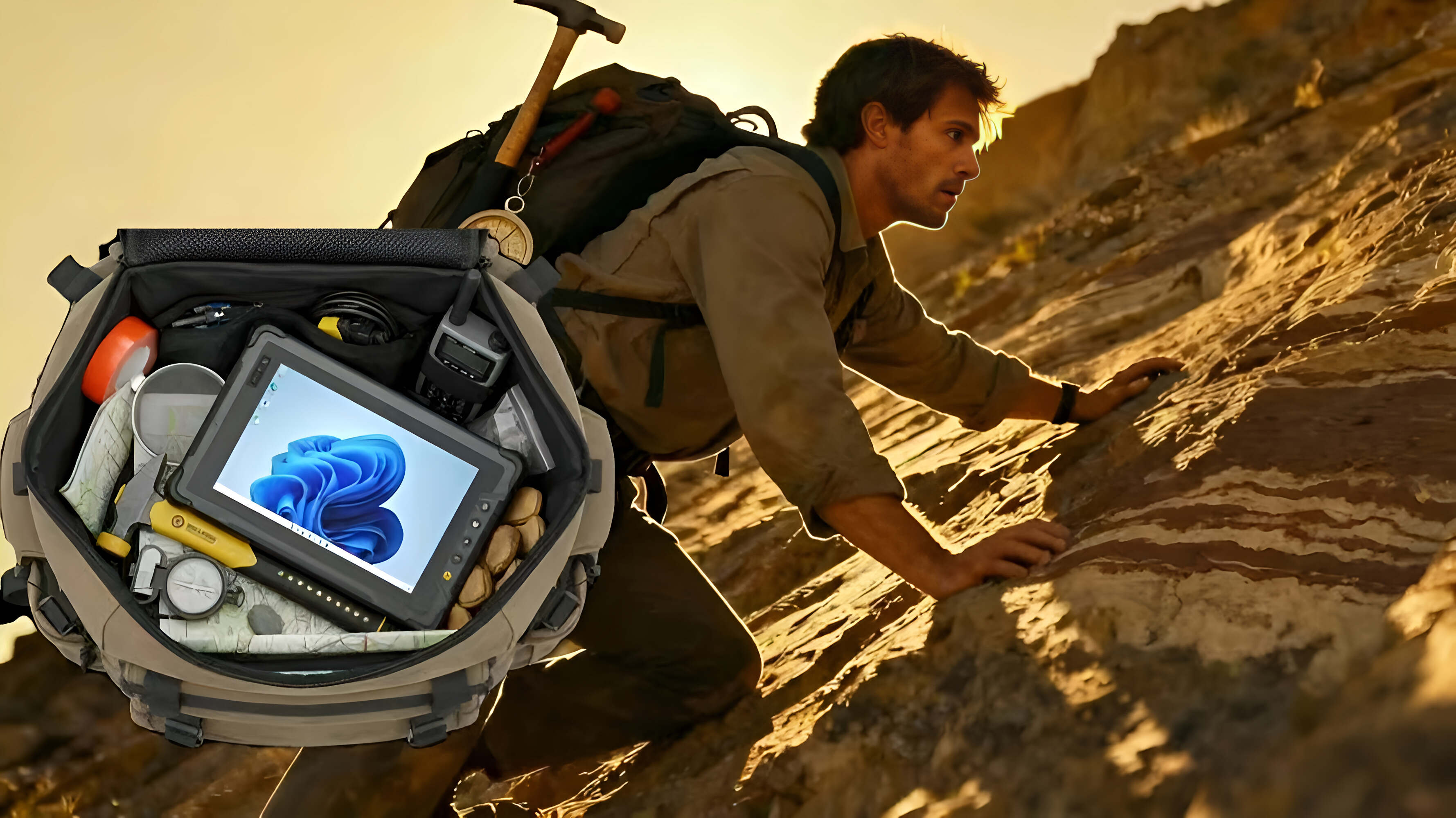
Fleet Maintenance in High-Heat Environments with IP65 Sealing
IP65 isn’t overkill for utility vehicles—it’s baseline. Dust ingress from gravel access roads and water exposure during monsoon-season meter reads demand sealed enclosures. ONERugged’s rugged tablets carry IP65 as standard, meaning full protection against low-pressure water jets from any direction and complete dust exclusion. That translates to fewer device failures after roadside diagnostics, less time spent cleaning ports before barcode scanning, and no unplanned reboots caused by particulate interference in cooling vents.
Real-Time AMR Handoffs with MIL-STD-810G Shock Resistance
MIL-STD-810G drop testing (1.2m onto concrete, multiple orientations) reflects actual handling—not marketing theater. Technicians routinely place tablets on truck dashboards, mount them in jolting service vehicles, or set them down on uneven pavement while pulling cable ties. The shock profile covers repeated impacts, not just single drops. When paired with reinforced bezels and vibration-dampened internal mounts, this certification supports multi-year deployments without touchscreen drift or hinge fatigue—critical for automated meter reading (AMR) workflows where data capture timing and accuracy are tied directly to billing cycles.
For procurement teams evaluating long-term value, these specs reduce replacement frequency and lower per-device support overhead. You’ll find similar durability logic applied across rugged PCs and industrial PC lines—designed around field reality, not spec-sheet rankings.


评论
发表评论