Rugged Tablets for Field Data with IP65
Field technicians, maintenance crews, and mobile supervisors need hardware that stays functional when conditions shift — from rain-soaked loading docks to sun-baked utility substations. The Onerugged rugged tablets are built for exactly those moments: not as lab-idealized devices, but as field-deployed tools tested against real-world stressors.
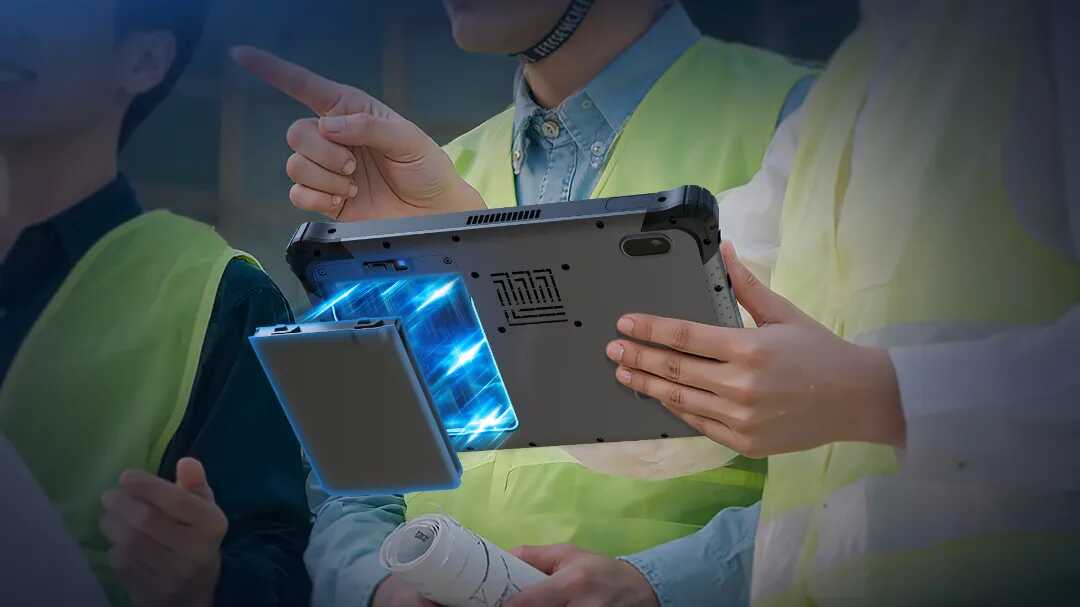
Field Data Collection in Dusty or Washdown Environments with IP65 Rating
IP65 isn’t just a number — it’s a practical threshold for daily reliability. The '6' means complete protection against dust ingress, critical when tablets ride in open-bed trucks or sit on concrete floors near grinding or cutting operations. The '5' confirms resistance to low-pressure water jets from any direction — enough to survive routine hosing down after exposure to mud, salt spray, or chemical residue. Unlike consumer-grade tablets that fail after one accidental splash, IP65-certified units maintain operation during scheduled cleaning cycles or sudden weather exposure.
This level of sealing sits between IP67 (full submersion) and IP54 (limited splash/dust), making it the pragmatic sweet spot for transportation depots, municipal infrastructure sites, and mid-tier manufacturing lines where full immersion isn’t required — but consistent environmental resilience is non-negotiable.
Why Procurement Teams Prioritize IP65 Over Entry-Level Sealing
From a procurement perspective, IP65 directly reduces long-term TCO by limiting premature replacements. It eliminates the need for protective sleeves or third-party enclosures — both of which degrade screen clarity, interfere with touch response, and add labor time during device setup or battery swaps. When evaluating rugged tablets, buyers consistently report fewer warranty claims and higher unit retention across 24–36 month deployment windows — especially in outdoor fleet management and energy field service roles.

Vehicle-Mounted Tablet Deployment with MIL-STD-810G Shock & Vibration Compliance
Vibration fatigue doesn’t show up in spec sheets — it shows up as cracked screens, loose connectors, or intermittent GPS lock after six months in a delivery van. MIL-STD-810G testing simulates those cumulative stresses: repeated shocks, random vibration profiles, and thermal cycling across operational temperature ranges. For integrators mounting tablets in forklifts, service vehicles, or mobile command units, this certification validates mechanical integrity — not just under lab conditions, but across real fleet duty cycles.
It also informs mounting strategy. Units certified to MIL-STD-810G tolerate direct-bolt mounting without additional damping, simplifying installation and reducing points of failure. That matters when field techs perform their own installs — no specialized tools or torque specs required beyond standard vehicle hardware.
Outdoor Sunlight Readability at 1200 Nits for Shift-Change Handovers
At 1200 nits, screen brightness matches ambient light levels found on unshaded asphalt at noon — not peak desert sun, but typical urban and industrial outdoor zones where workers exchange work orders, verify asset IDs, or log safety checks. This isn’t about luxury viewing; it’s about eliminating squinting, repositioning, or unnecessary shade use during time-sensitive handovers.
Real-world usability gains include faster visual verification of barcode scans and quicker navigation through MDM-managed kiosk interfaces — especially important when using industrial PC deployments in high-heat environments where thermal throttling can dim displays.
Connectivity That Stays Online Without Workarounds
Wi-Fi 6 support handles dense wireless environments — think warehouse control rooms packed with IoT gateways and legacy scanners — without dropping concurrent OTA updates or barcode broadcast sessions. And while 5G isn’t mandatory for every use case, its inclusion future-proofs deployments where cellular offloading replaces local Wi-Fi infrastructure in remote yards or temporary staging areas.
For system integrators building end-to-end solutions, these aren’t abstract features. They’re decision points that reduce integration friction, lower helpdesk call volume, and extend usable device life across mixed-device fleets. You’ll find related implementation notes in our guide on rugged tablets interoperability with legacy MDM systems.


评论
发表评论