Rugged Tablets for Outdoor Work with 700 Nits Brightness
Field teams in utilities, transportation, and outdoor manufacturing rely on tablets that stay readable when the sun’s at its peak—and keep running after a hard drop on concrete or a jolt inside a service vehicle. The Onerugged M10R is built for those conditions: not as a repurposed consumer device, but as an industrial Android PC designed around real workflow friction points.
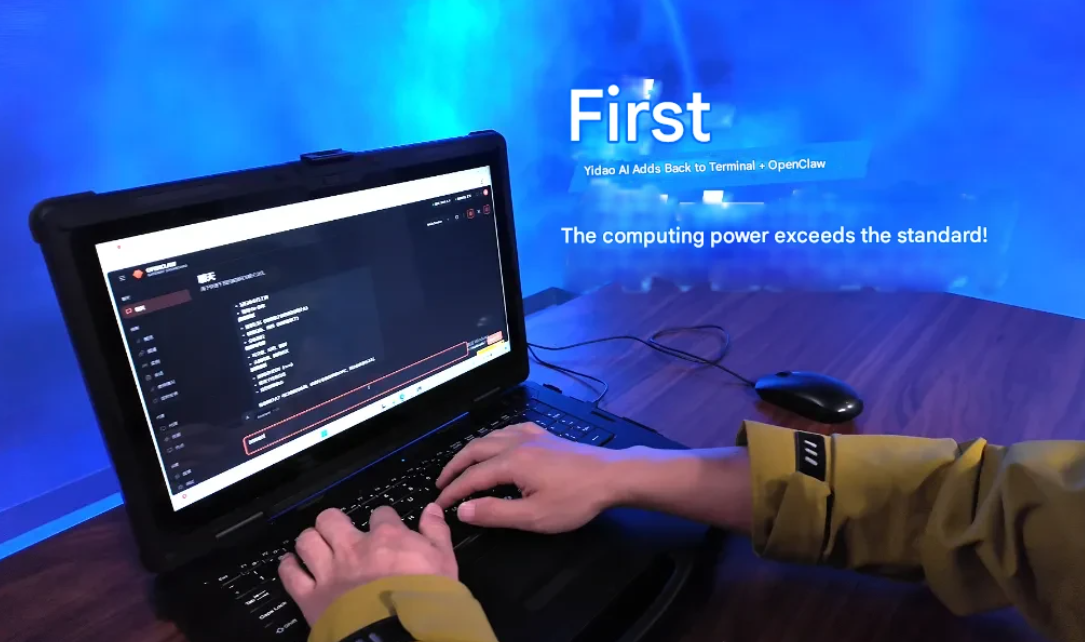
Outdoor Field Service with 700 Nits Brightness
Sunlight readability isn’t about marketing claims—it’s about whether a technician can verify a meter reading without shading the screen with their hand while standing beside a transformer bank at noon. The M10R’s 10.1-inch IPS display hits 700 nits, which is enough to maintain legibility under direct overhead sun in most ambient conditions—not just shaded warehouse docks. That’s paired with a matte anti-glare surface and reinforced corners, not just a glossy panel bolted into a thicker case. It’s the kind of spec that reduces repeat site visits caused by misread data entries.
Why 700 nits matters more than resolution outdoors
In high-ambient-light environments, contrast and brightness dominate over pixel density. A 1280×800 panel at 700 nits delivers sharper functional clarity for SCADA overlays, checklist forms, and barcode prompts than a higher-resolution screen dimmed to 400 nits. No software trickery—just consistent optical performance across shifts and seasons.
Vehicle-Based Asset Management with IP65 Sealing
Mounting a tablet in a service van or utility bucket truck means dealing with dust ingress from gravel roads, condensation during seasonal temperature swings, and occasional rain exposure during door-open workflows. The M10R’s IP65 rating seals against low-pressure water jets and airborne dust—enough for daily use in mobile command units or fleet dispatch terminals where full submersion (IP67) isn’t required, but environmental sealing is non-negotiable.
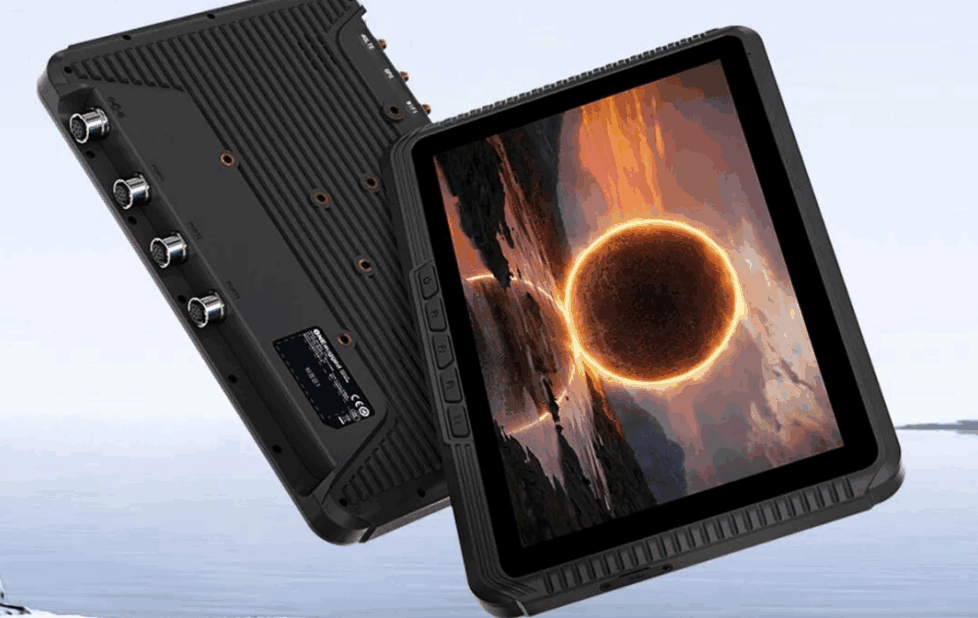
Shift-Long Mobile Work with Removable 10000mAh Battery
For frontline users working 8–12 hour field shifts—especially those without guaranteed docking time between jobs—the ability to swap batteries matters more than theoretical 'all-day' claims. The M10R uses a physically removable 3.8V/10000mAh battery with a positive-lock mechanism. That means no tools, no downtime, and no risk of accidental ejection during ladder climbs or equipment handling. It’s not just capacity—it’s operational continuity baked into the mechanical design.
What ‘removable’ really means in practice
- No adhesive-sealed enclosures requiring heat guns or pry tools
- Battery stays seated under vibration (tested per MIL-STD-810G shock profiles)
- Hot-swap compatible with active kiosk or MDM-managed sessions
This approach aligns with how real teams operate—not on lab-cycle battery charts, but on shift turnover clocks and roadside battery swaps. For procurement teams evaluating TCO, it directly reduces device downtime and extends usable lifecycle versus sealed-battery alternatives. You’ll find similar durability logic applied across industrial PC deployments where uptime correlates tightly with modular serviceability.
The M10R also supports optional 1D/2D scanning, dual-band Wi-Fi, and GPS+Beidou—features that matter when syncing with legacy fleet telematics or verifying asset IDs in remote substations. Its Rockchip RK3568 SoC (2.0GHz quad-core, Mali-G52 GPU) delivers stable Android 12 performance for browser-based HMI interfaces or lightweight MES clients—no overheating throttling during extended map navigation or PDF report annotation. If you’re comparing rugged form factors for outdoor-first use cases, this model sits squarely between handhelds and vehicle-mounted PCs—offering screen real estate without sacrificing portability. See how it fits alongside other purpose-built options like the rugged tablets optimized for tighter spaces, or explore deeper environmental resilience in rugged tablets for extreme environments.


评论
发表评论