Rugged Tablets for Warehouse Management with IP67 Sealing
Warehouse operations demand hardware that keeps pace with fast-paced picking, scanning, and inventory reconciliation—without slowing down for reboots, recalibrations, or replacement. Dust, moisture, accidental drops, and constant handling aren’t edge cases here; they’re daily conditions. That’s why IP67 sealing isn’t a nice-to-have on a rugged tablet—it’s the baseline for reliability in high-turnover logistics environments.
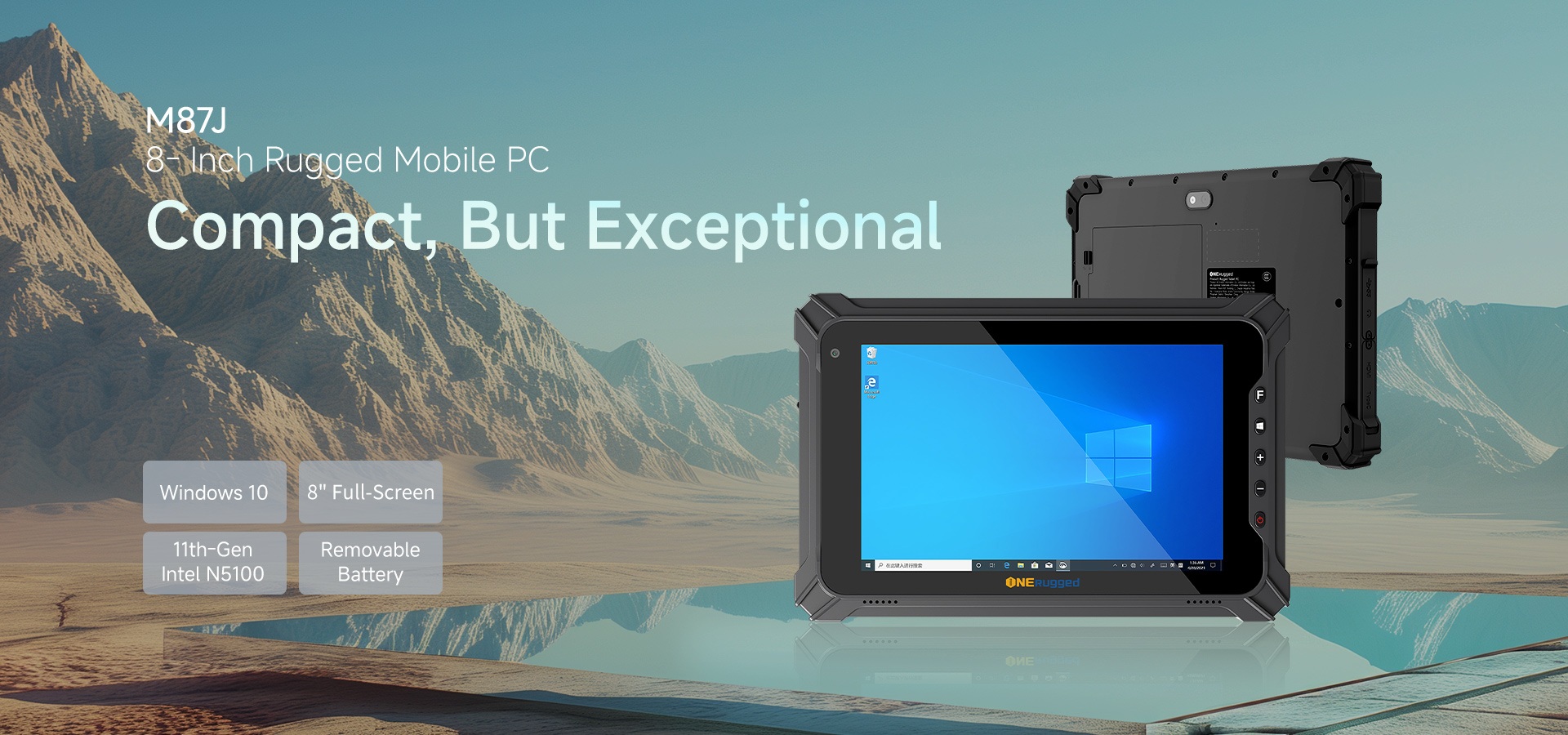
Warehouse Inventory Management with IP67 Sealing
IP67 means full dust ingress protection and survivability after immersion in 1 meter of water for up to 30 minutes. In practice, this translates to tolerance for wet dock floors, steam-cleaning cycles near refrigerated zones, and incidental spills during shift handovers. Unlike consumer-grade tablets that fail after a single splash or fine-dust exposure, IP67-certified units like those from Onerugged maintain consistent touchscreen response and internal component integrity across multi-shift use.
Sunlight Readability Meets Real-World Lighting Variability
Many warehouses combine high-bay LED lighting with large loading dock windows—creating harsh contrast and glare. A 1200-nit display isn’t about peak brightness marketing; it’s about ensuring barcode labels remain legible under direct noon sun through open bay doors, without requiring users to shade the screen with their hands or reposition repeatedly. This directly supports faster cycle counts and reduces visual fatigue during extended shifts.
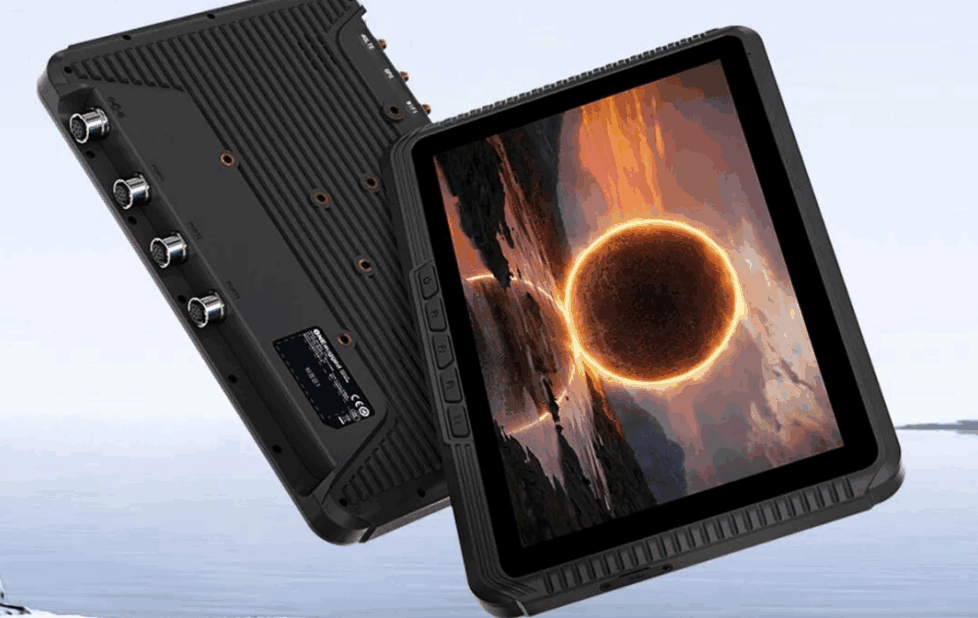
Vehicle Mounting and Vibration Resistance in Transport Hubs
For mobile warehouse roles—like yard spotters or cross-dock coordinators—tablets mounted in forklifts or pallet jacks face continuous low-frequency vibration. MIL-STD-810G compliance (including Method 514.6 vibration testing) ensures internal components stay aligned and solder joints remain intact over months of operation—not just during lab validation. This matters when a tablet powers your real-time yard management app: no unexpected freezes, no sensor drift, no unplanned downtime mid-shift.
Why Glove-Touch Response Is a Workflow Enabler, Not Just a Feature
In cold-storage zones or during winter operations, workers wear insulated gloves. Capacitive-only touchscreens become unusable—but glove-touch support isn’t just about pressure sensitivity. It’s about consistent latency and positional accuracy across glove types (leather, knit, cut-resistant). When integrated with rugged tablets running lightweight MDM-managed workflows, it eliminates the need to remove gloves for every scan or signature capture—reducing both physical strain and contamination risk in food-grade or pharma-adjacent facilities.
Maintenance Policy Alignment with Operational Uptime Goals
Unlike consumer devices, industrial tablets are expected to operate 3–5 years in the field with minimal service intervention. Onerugged’s maintenance policy reflects that reality—not as an afterthought, but as part of the design lifecycle. Field-replaceable batteries, modular I/O covers, and standardized mounting interfaces mean technicians can swap components without sending units back to depot. That directly supports uptime SLAs in third-party logistics (3PL) contracts where device availability is tied to service-level commitments.
For deeper context on durability beyond spec sheets, see our analysis of rugged tablets and how environmental stressors interact in live deployments. And if your workflow extends into fixed infrastructure—like kiosks or control stations—review best practices for industrial PC integration in smart warehouse ecosystems.


评论
发表评论