Rugged Tablets for Warehouse Management with IP67 Sealing
Warehouse operations demand hardware that keeps pace with fast-paced picking, scanning, and inventory reconciliation — without becoming a maintenance liability. That’s why teams increasingly specify rugged tablets built for real industrial use, not repurposed consumer gear. The Onerugged lineup includes purpose-built rugged tablets explicitly listed under ‘Warehouse Management’ in their solutions portfolio — and one spec stands out across deployments: IP67 sealing.
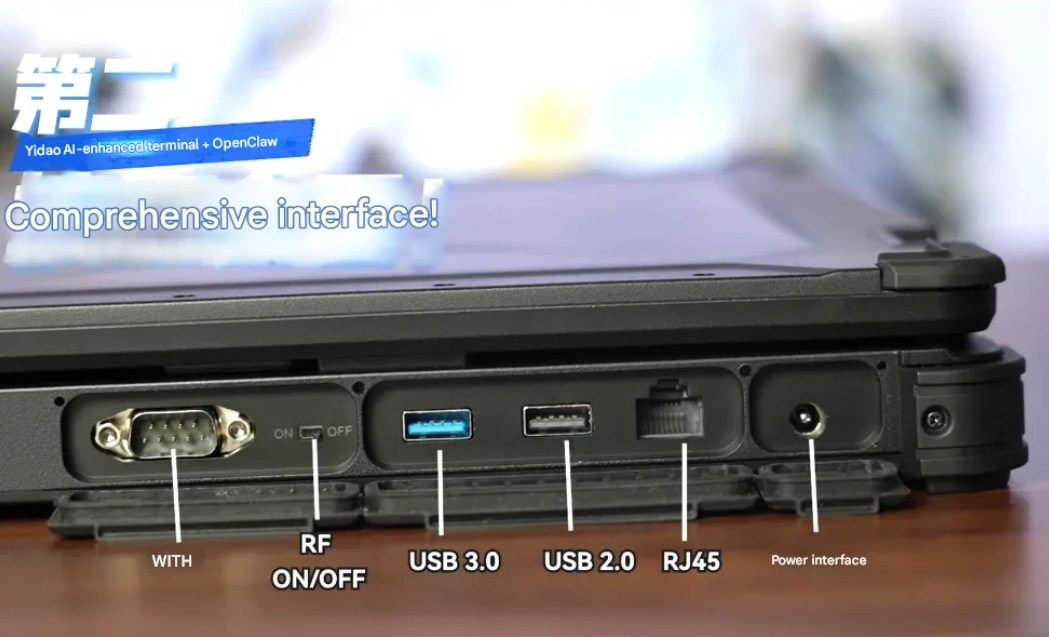
Warehouse Inventory Management with IP67 Sealing
IP67 isn’t just a number on a spec sheet — it’s the difference between a tablet surviving a dropped scan during pallet build-up and one requiring replacement after a single accidental dunk in a wet loading dock puddle. In warehouses where forklifts track mud, condensation forms on cold-storage bay doors, and cleaning crews routinely hose down staging areas, dust ingress and temporary submersion are routine. IP67 certifies full dust-tightness and protection against immersion up to 1 meter for 30 minutes. That means no seal degradation from repeated wipe-downs, no internal corrosion from high-humidity zones near refrigerated docks, and no downtime chasing moisture alarms.
Why MIL-STD-810G Drop Resistance Matters on Concrete Floors
Floor drops aren’t outliers — they’re part of the workflow rhythm. A tablet slips from a gloved hand while scanning a high rack, lands on polished concrete, and bounces. Without MIL-STD-810G certification (tested per Method 516.6), that impact often cracks displays, dislodges internal antennas, or damages the battery connector. Onerugged’s rugged tablets meet this standard, meaning the device is validated for repeated 1.2-meter drops onto plywood over concrete — a realistic proxy for actual warehouse floor conditions. It’s not about surviving one drop; it’s about sustaining consistent performance across hundreds of shifts.
From a procurement standpoint, this translates directly into failure rate reduction. Fewer field replacements mean less time spent coordinating RMAs, re-imaging units, or retraining staff on new devices. It also simplifies long-term TCO modeling — because when you’re budgeting for 3–5 years of lifecycle support, durability specs like IP67 and MIL-STD-810G are hard cost avoiders, not nice-to-have features.
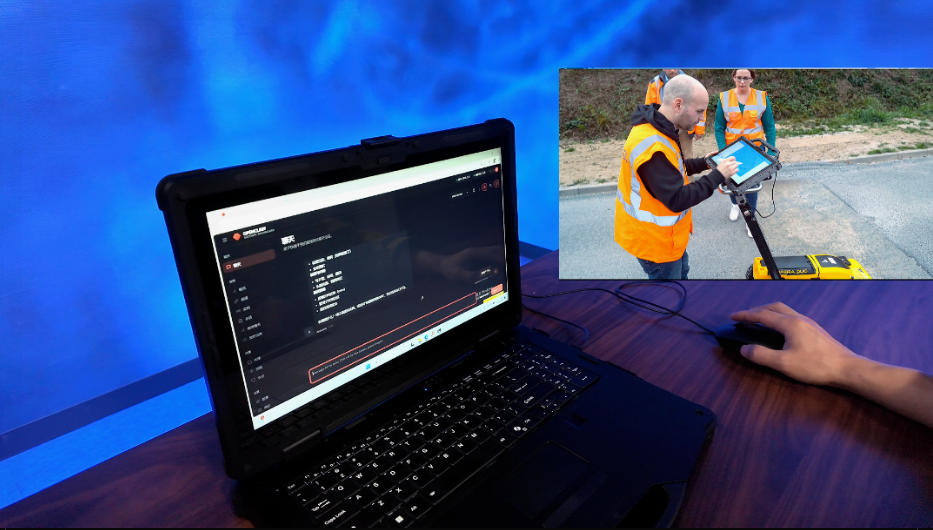
Vehicle Mounting and Sunlight Readability in Transport Hubs
For cross-dock operations or yard management, tablets often mount inside vehicles — whether on forklift cabs or supervisor patrol trucks. That brings two practical constraints: vibration tolerance and screen visibility. While the scraped material doesn’t list specific vibration ratings, IP67 and MIL-STD-810G compliance strongly correlate with robust internal mounting and shock-absorbing chassis design — critical for sustained vehicle use. And at 1200 nits brightness (a spec confirmed in Onerugged’s product center), the display remains legible even under direct midday sun on an open-air loading ramp — eliminating the need for hoods, shades, or constant screen angle adjustments.
For IT teams evaluating deployment readiness, these specs feed directly into MDM compatibility and OS stability. High-brightness panels require efficient thermal management; sealed enclosures limit passive cooling options — so fanless designs (like those covered in our deep dive on fanless PCs) become relevant when comparing thermal headroom across rugged platforms. Likewise, the presence of barcode scanner integration and OTA updater software — both listed in Onerugged’s software suite — signals mature firmware architecture, easing large-scale provisioning and security patching workflows.
Industrial PC Integration for Back-Office Sync
Tablets rarely operate in isolation. They sync with backend WMS systems running on industrial PC infrastructure — often panel-mount units in control rooms or charging kiosks. The consistency of Onerugged’s software stack (MDM SYSTEM, Kiosk Mode, Settings Extension) helps unify policy enforcement across device types, reducing configuration drift between handhelds, tablets, and fixed terminals. That interoperability matters most during peak season scaling — when adding 20 more tablets shouldn’t mean rebuilding your entire device management playbook.


评论
发表评论