Rugged Tablets for Warehouse Management with IP67 Sealing
Warehouse operations don’t pause for rain, dust, or dropped devices. When a tablet hits concrete during a pallet count—or gets sprayed down after a spill—the last thing your team needs is a reboot, recalibration, or replacement order. That’s why industrial buyers are increasingly specifying Onerugged tablets with verified IP67 sealing for core warehouse workflows: cycle counting, receiving, and yard management.
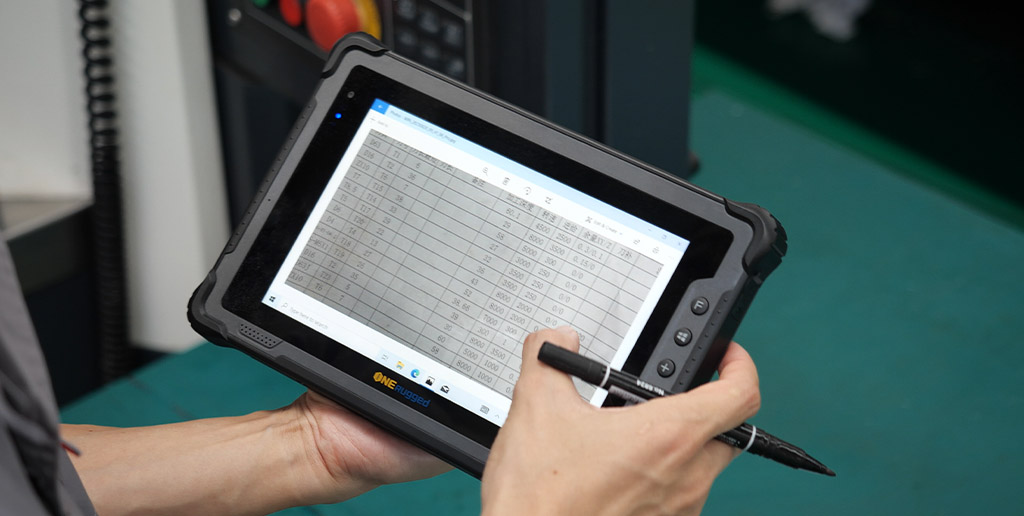
Warehouse Inventory Management with IP67 Sealing
IP67 isn’t just a number—it’s a field-proven threshold. The '6' means total protection against dust ingress (no fan filters to clog or clean), and the '7' guarantees operation after full immersion in 1 meter of water for up to 30 minutes. In real-world warehouses, this translates to resilience during wet-floor cleaning cycles, accidental hose-downs in cold storage staging areas, and exposure to condensation in high-humidity loading docks. Unlike consumer-grade tablets that fail after a single splash, IP67-certified units keep scanning, syncing, and updating inventory without interruption.
Why MIL-STD-810G Drop Resistance Matters on Concrete Floors
Floor drops happen—especially when workers wear safety boots and carry multiple items. MIL-STD-810G certification covers repeated 4-foot drops onto plywood over concrete, simulating typical warehouse floor impacts. This isn’t theoretical: it directly reduces device failure rates between shifts and lowers the frequency of mid-shift hardware swaps. No need to pad cases or mandate secondary mounting—just train staff to use the device as intended.
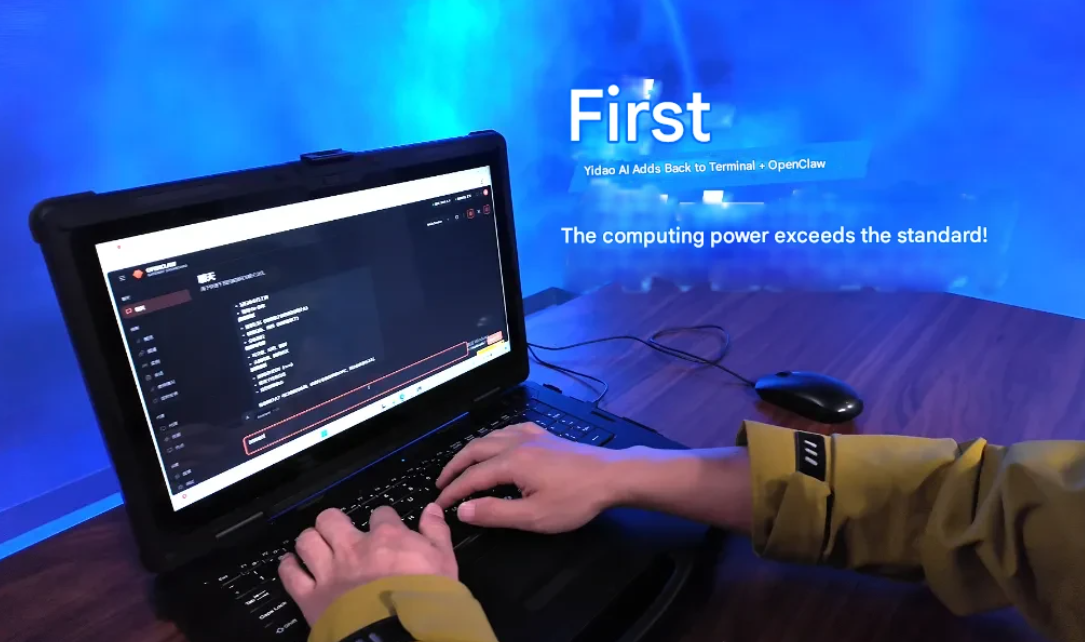
Outdoor Yard Operations with 1200-Nit Sunlight Readability
Yard clerks and dock supervisors often operate under direct sun—on trailers, at gate checkpoints, or beside container stacks. A 1200-nit display isn’t about peak brightness marketing; it’s about maintaining legibility without squinting, tilting, or shading the screen with a hand. That readability cuts down on misreads during trailer ID entry and reduces time spent re-scanning barcodes in glare. It also supports consistent use across shifts—from early morning dew to mid-afternoon heat haze—without requiring display recalibration or ambient light sensors that drift over time.
Frontline Mobility with Glove-Touch and Physical Button Integration
Workers in warehouses rarely remove gloves—and not just in winter. Cut-resistant gloves are standard PPE near conveyors and pallet jacks. True glove-touch responsiveness (tested with standard 3mm work gloves) ensures UI interaction stays reliable. Paired with dedicated physical buttons for scan trigger, volume, and power, the interface remains predictable even when touch response slows due to moisture or grime buildup on the screen surface. These aren’t convenience features—they’re uptime enablers.
For teams evaluating hardware across logistics environments, these specs map directly to real deployment decisions—not lab benchmarks. If you're deploying rugged tablets in retail backrooms or extending coverage into yard operations, the same IP67 and MIL-STD-810G criteria apply. Likewise, those supporting remote crews in energy infrastructure will find overlapping durability requirements—see our deep dive on rugged tablets for energy and utilities. And for teams managing harsh conditions beyond warehouses—like chemical plants or rail yards—this level of sealing and shock resistance anchors broader reliability strategies covered in harsh environments.


评论
发表评论